

Plywood reels serve as indispensable components in the production of cardboard barrels, offering numerous benefits and applications across various industries. From shipping liquids to storing dry goods, cardboard barrels wound around plywood reels provide a versatile and cost-effective packaging solution.
One of the primary applications of plywood reels in cardboard barrel packaging is in the transportation of liquids, such as chemicals, oils, and beverages. The robust construction of plywood reels ensures the structural integrity of the barrels, preventing leakage or damage during transit. Additionally, the smooth surface of the reels facilitates efficient winding of cardboard layers, resulting in tightly sealed barrels that can withstand the rigors of shipping.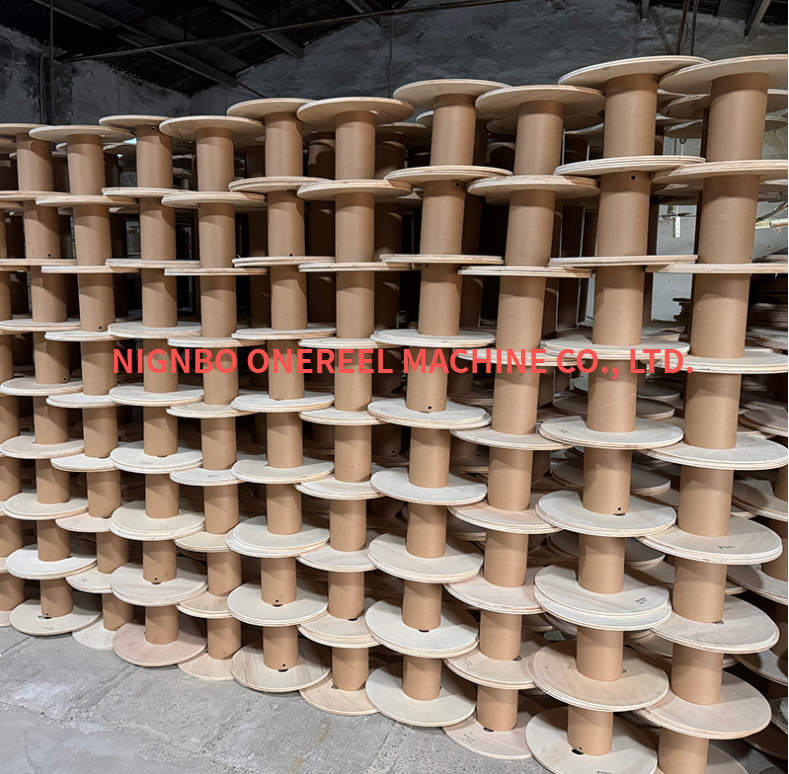
Another key application of plywood reels is in the storage and distribution of dry goods, including grains, powders, and pharmaceutical products. The strength and stability of plywood reels enable the creation of large-capacity barrels capable of securely containing a wide range of materials. Whether stored in warehouses or transported over long distances, cardboard barrels wound around plywood reels provide reliable protection against moisture, pests, and physical damage.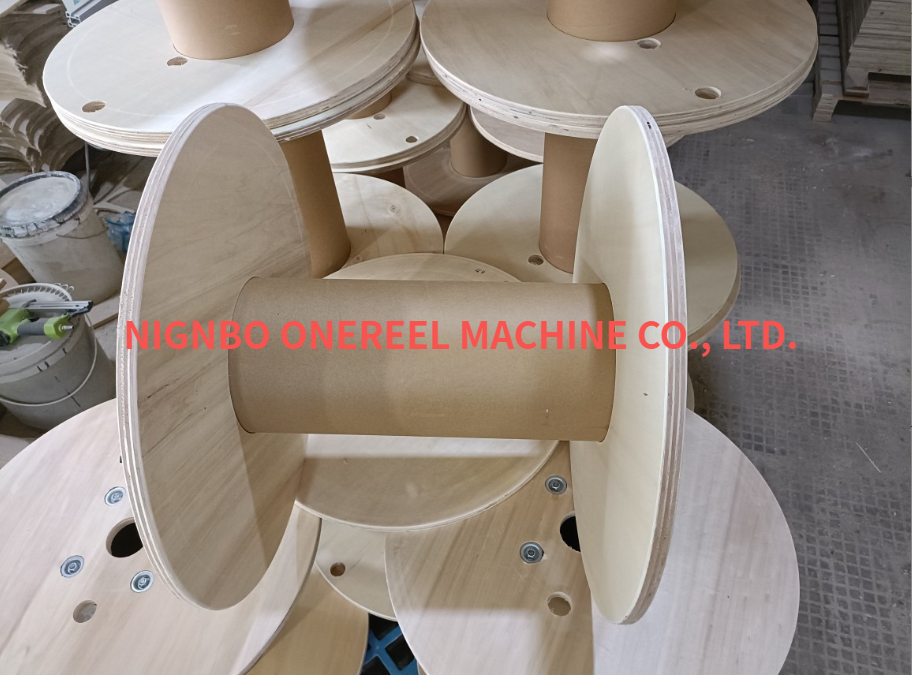
Furthermore, plywood reels offer significant benefits in terms of cost-effectiveness and sustainability. Their durable construction allows for multiple uses, reducing the need for frequent replacement and minimizing packaging expenses. Additionally, plywood is a renewable resource, and plywood reels can be recycled at the end of their lifecycle, further reducing environmental impact and promoting circular economy practices.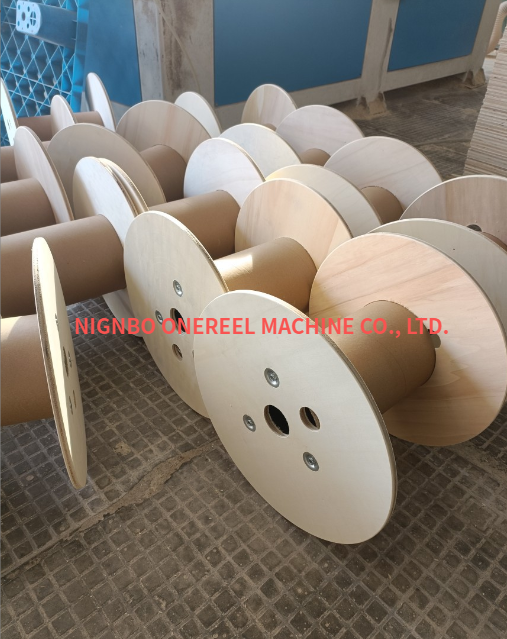
Moreover, plywood reels can be customized to meet specific packaging requirements, such as size, strength, and compatibility with automated production systems. This flexibility makes them suitable for a wide range of industries, from food and beverage to pharmaceuticals and chemicals.
In conclusion, plywood reels play a vital role in cardboard barrel packaging, offering versatility, durability, and sustainability across various applications. Their ability to ensure the safe transportation and storage of goods makes them indispensable assets in the packaging industry, supporting efficient supply chains and responsible packaging practices.