

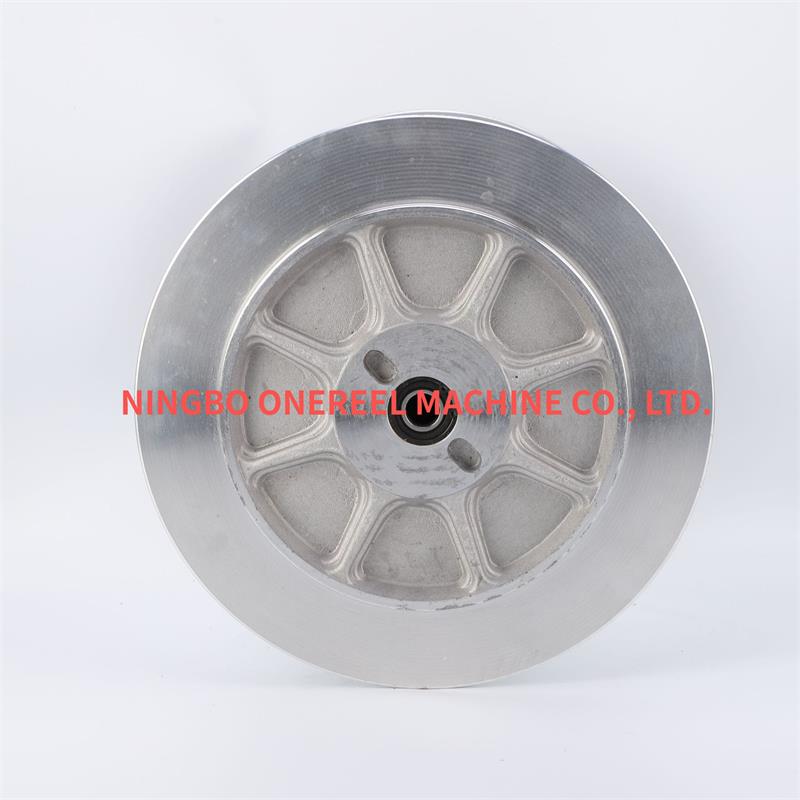
The textile industry is continually evolving, with new technologies and materials enhancing the efficiency and quality of production. One such innovation is the development of advanced aluminum spools for warp knitting machines. This article delves into the latest advancements in aluminum spool technology and their impact on warp knitting processes.
The Evolution of Aluminum Spools
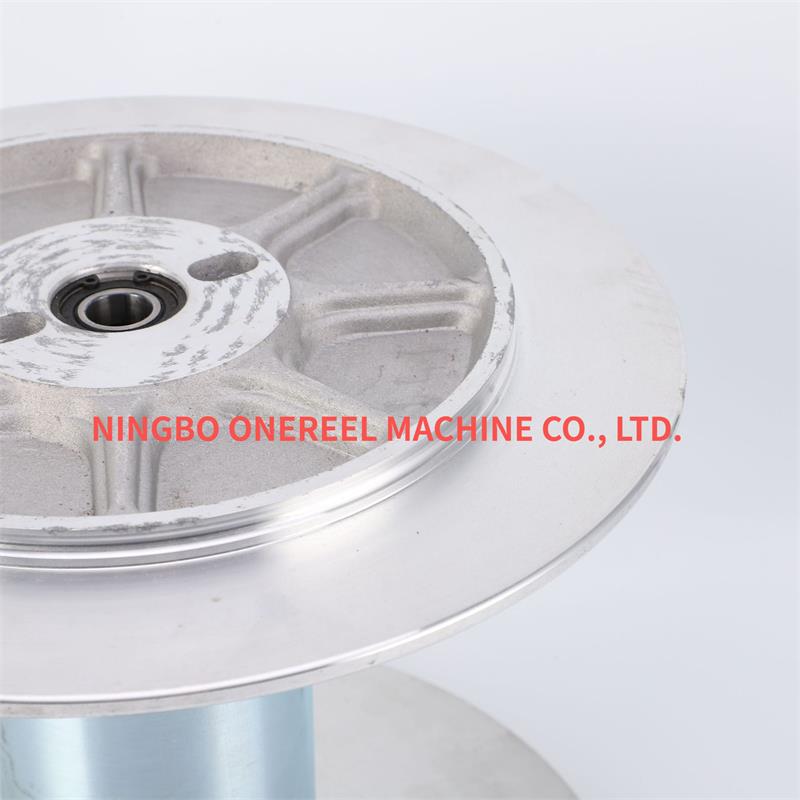
Traditionally, spools were made from various materials such as wood, plastic, or steel. However, these materials often presented challenges such as weight, durability, and heat resistance. Aluminum emerged as a superior alternative, addressing these issues effectively. Over time, advancements in aluminum processing and manufacturing have further improved the performance of these spools.
Key Innovations
-
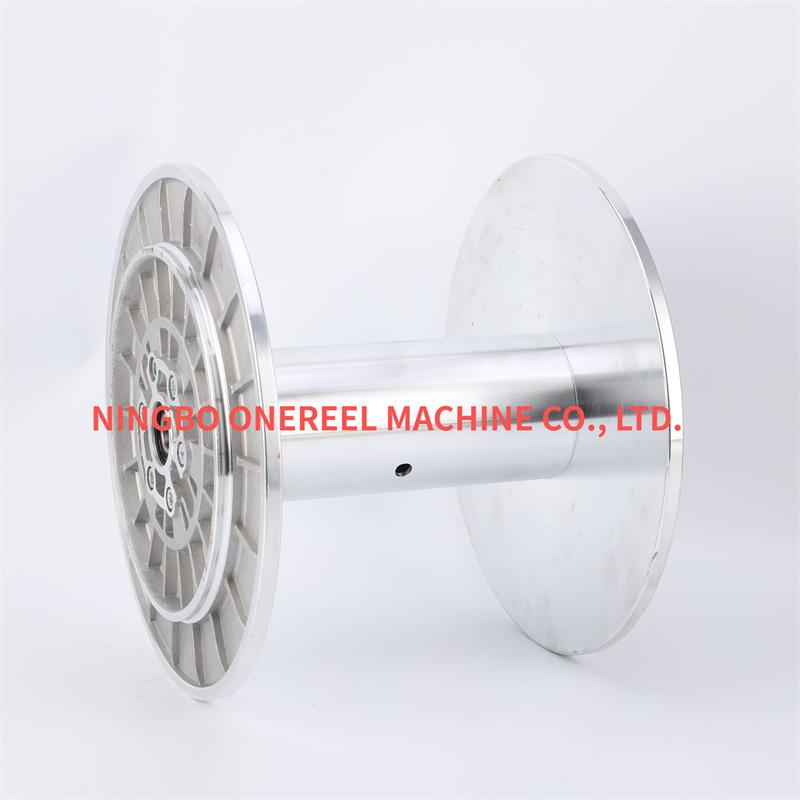
Enhanced Alloy Compositions: Modern aluminum spools are made from advanced alloy compositions that offer improved strength and durability. These alloys are specifically designed to withstand the high-stress environment of warp knitting, reducing the likelihood of deformation and wear over time.
-
Surface Treatments: Innovative surface treatments and coatings have been developed to enhance the performance of aluminum spools. Anodizing, for example, increases the surface hardness and corrosion resistance, ensuring longer lifespan and consistent performance. Other coatings can reduce friction, further enhancing the smooth operation of the warp knitting machine.
-
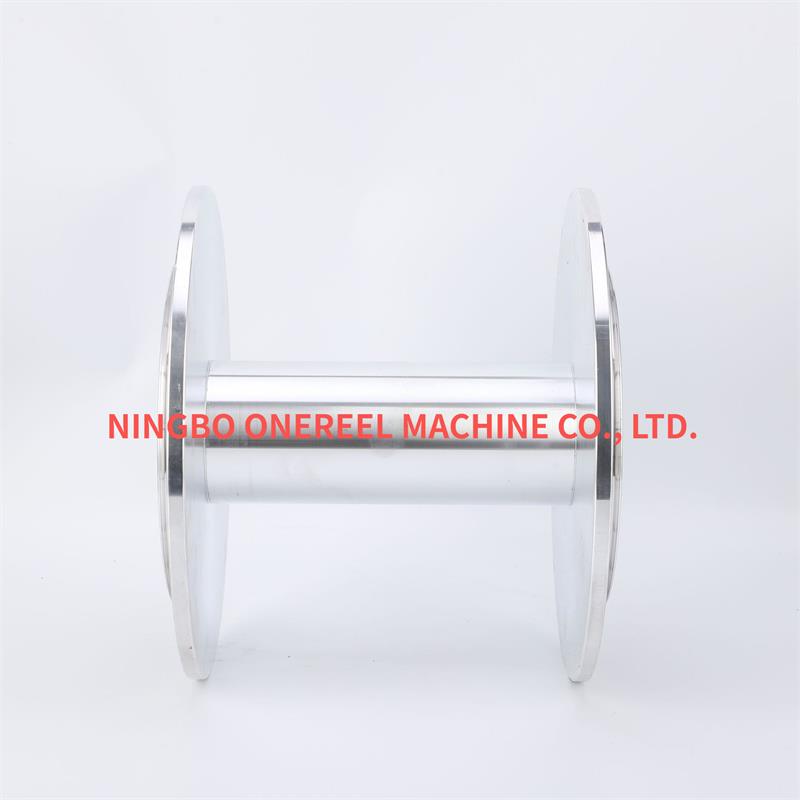
Precision Machining Techniques: Advances in CNC (Computer Numerical Control) machining allow for the production of aluminum spools with unparalleled precision. This precision ensures that each spool is perfectly balanced and uniform, crucial for maintaining the high tension required in warp knitting. The result is a significant reduction in defects and an increase in the quality of the final fabric.
-
Eco-Friendly Production: The manufacturing process for aluminum spools has become more environmentally friendly. Techniques such as recycling aluminum and using energy-efficient production methods have reduced the carbon footprint of spool manufacturing. This aligns with the textile industry's growing focus on sustainability and environmentally responsible practices.
Impact on Warp Knitting
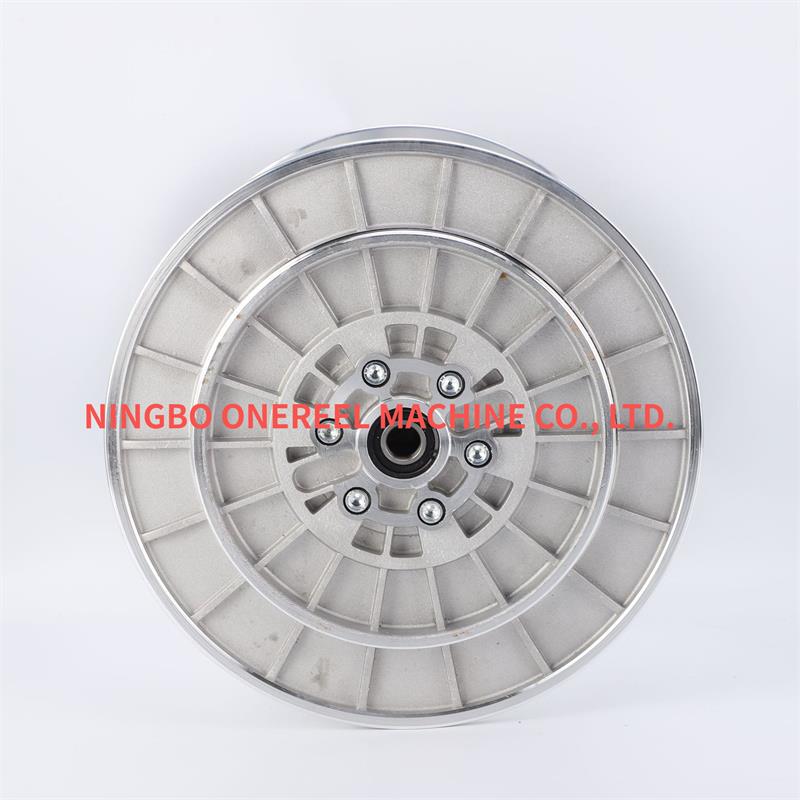
The innovations in aluminum spool technology have had a profound impact on warp knitting. Improved spool performance leads to smoother machine operation, higher quality fabrics, and increased production efficiency. Moreover, the longevity and reliability of modern aluminum spools reduce downtime and maintenance costs, providing significant economic benefits to textile manufacturers.
Conclusion
The advancements in aluminum spool technology are a testament to the continuous innovation within the textile industry. As warp knitting machines become more sophisticated, the need for high-performance components like advanced aluminum spools becomes even more critical. These innovations not only enhance the quality and efficiency of textile production but also contribute to a more sustainable and economically viable industry. The future of warp knitting looks bright, with aluminum spools playing a pivotal role in its ongoing evolution.
https://www.spool-manufacturer.com/aluminum-spool/