

In the manufacturing industry, efficiency and precision are paramount. One of the key components that contribute to these aspects is the strip reel. Strip reels, often used in processes such as stamping, rolling, and printing, have significantly evolved over the years, playing a crucial role in modern manufacturing.
What is a Strip Reel?
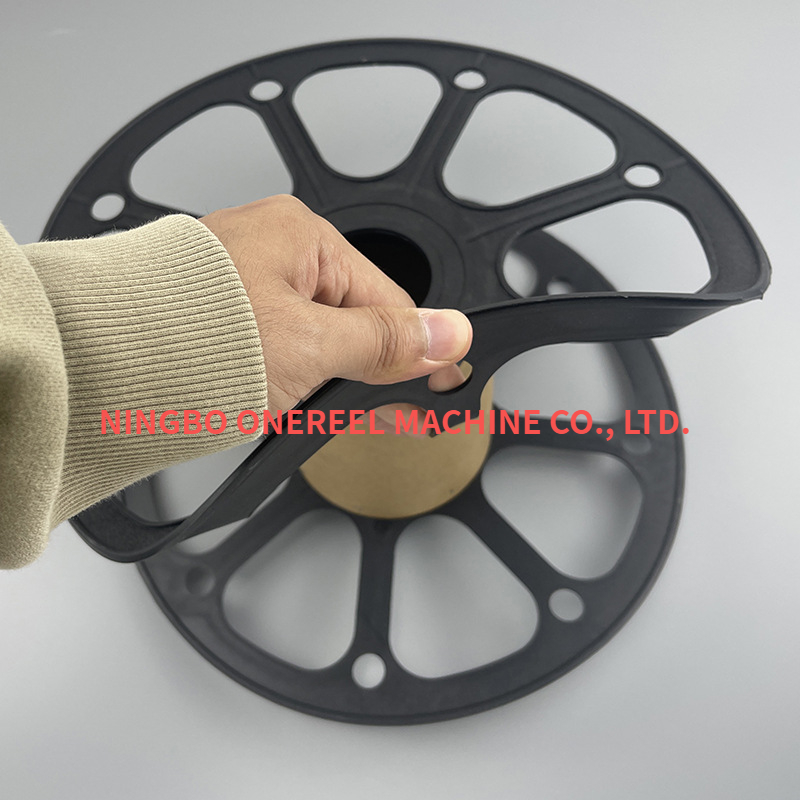
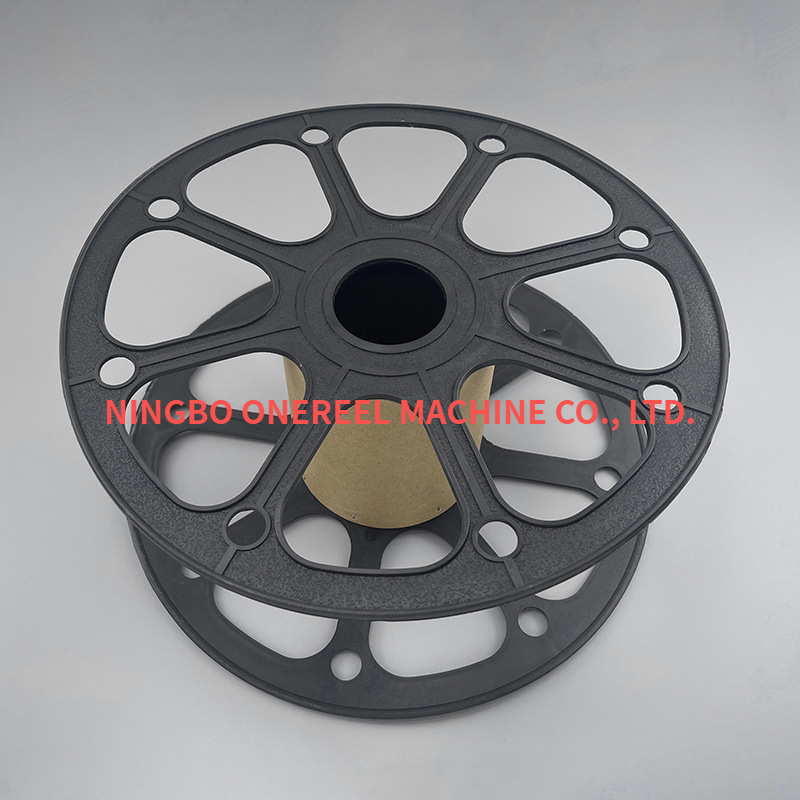
A strip reel is a cylindrical device used to wind and store strip materials, such as metals, plastics, or textiles, in a compact and organized manner. These reels are designed to handle various widths, thicknesses, and materials, making them versatile tools in different industrial applications.
Historical Background
The concept of strip reels dates back to the early days of the industrial revolution. Initially, manufacturers struggled with handling long strips of material, which often led to inefficiencies and increased waste. The invention of the strip reel revolutionized this process, enabling manufacturers to store and transport strip materials more efficiently.
Modern Advancements
Today, strip reels are more advanced than ever. Modern strip reels are equipped with features such as automatic tension control, electronic brakes, and programmable logic controllers (PLCs) that ensure precise handling of materials. These advancements have drastically improved the speed and accuracy of manufacturing processes.
Applications in Various Industries
-
Metalworking: In the metalworking industry, strip reels are used to wind and unwind metal strips during processes like stamping and cutting. This ensures a continuous supply of material, reducing downtime and increasing productivity.
-
Textiles: In the textile industry, strip reels are essential for winding fabrics and threads. They help maintain the quality of the material by preventing tangles and wrinkles.
-
Printing: In printing, strip reels are used to handle paper or film strips. They ensure smooth feeding of material into printing presses, resulting in high-quality prints.
Benefits of Using Strip Reels
- Efficiency: Strip reels allow for continuous feeding of material, reducing downtime and increasing production speed.
- Precision: Advanced features like tension control and electronic brakes ensure precise handling of materials, resulting in higher quality products.
- Cost-Effectiveness: By reducing material waste and improving production efficiency, strip reels help lower overall manufacturing costs.
Conclusion
Strip reels have become indispensable tools in various industries due to their ability to improve efficiency, precision, and cost-effectiveness. As technology continues to advance, we can expect strip reels to become even more sophisticated, further enhancing their role in modern manufacturing.