

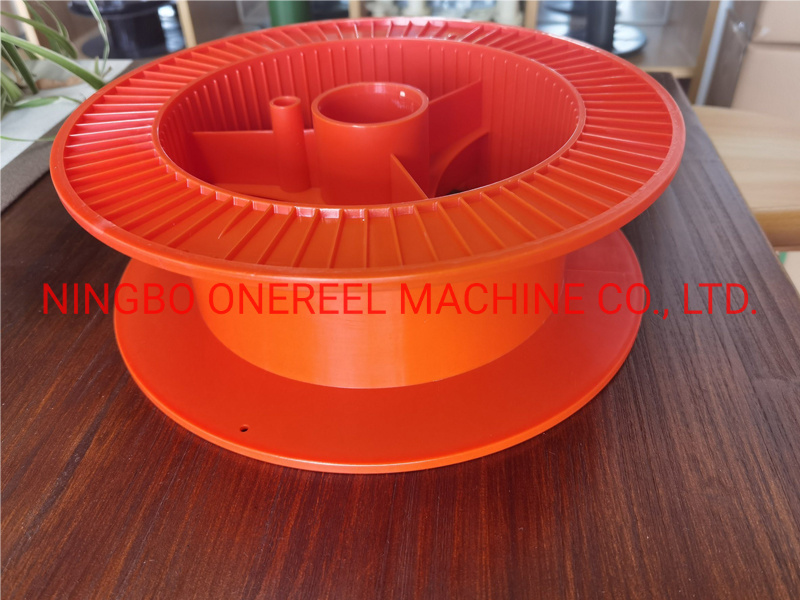
1. Applications of Welding Wire
-
Automotive and Transportation Industries: Welding wire is widely used in the automotive sector for assembling and repairing vehicle bodies, frames, and exhaust systems. The lightweight nature of aluminum welding wires makes them ideal for manufacturing lightweight vehicle components, enhancing fuel efficiency.
-
Construction and Infrastructure: In construction, welding wires are critical for joining structural components such as beams, columns, and girders. Flux-cored wires are commonly used for outdoor welding applications due to their ability to provide effective shielding from environmental elements.
-
Aerospace Industry: The aerospace industry relies on welding wires for high-strength, lightweight joins in aircraft components. Specialty alloy wires like nickel and titanium are used to meet stringent safety and performance requirements.
-
Manufacturing and Fabrication: Welding wire is essential in various manufacturing sectors, from small-scale metal fabrication shops to large-scale production lines. It is used to weld metal parts, fabricate machinery, and create custom components.
-
Maintenance and Repair: Welding wires are indispensable for maintenance and repair tasks in various industries, such as fixing pipelines, tanks, and industrial equipment. The use of welding wire allows for fast and effective repairs, minimizing downtime.
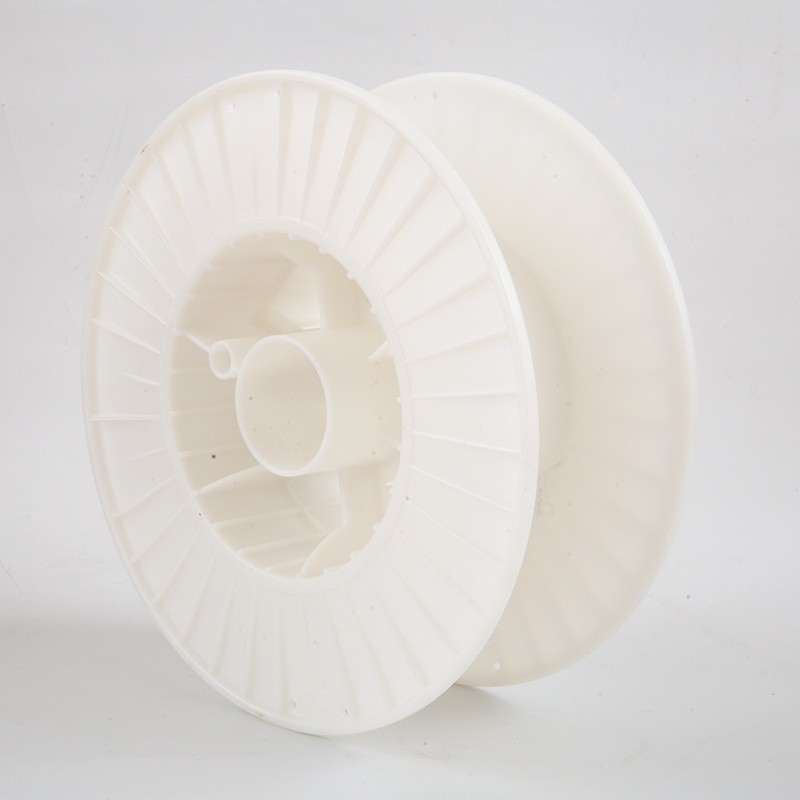
2. Benefits of Using Welding Wire on a Spool
-
Consistency and Quality: Welding wire spools provide consistent wire feed, ensuring uniform weld quality. The precision and reliability of the wire feed reduce the likelihood of defects like porosity, spatter, or inconsistent penetration.
-
Increased Productivity: Using a spool of welding wire allows for continuous welding without the need for frequent stops to change electrodes, enhancing productivity. This is especially beneficial in high-volume manufacturing environments.
-
Versatility: Welding wire spools are available in various materials and diameters, making them suitable for a wide range of applications. Whether working with thin-gauge materials or thick steel plates, there is a welding wire that fits the need.
-
Cost-Effectiveness: Welding wires on spools are generally more economical than traditional stick electrodes due to reduced waste and higher deposition rates. The ability to weld continuously also reduces labor costs associated with electrode changes.
-
Portability and Ease of Use: The compact design of wire spools makes them easy to handle and transport. The spool system also simplifies the welding process, making it accessible even for less experienced operators.
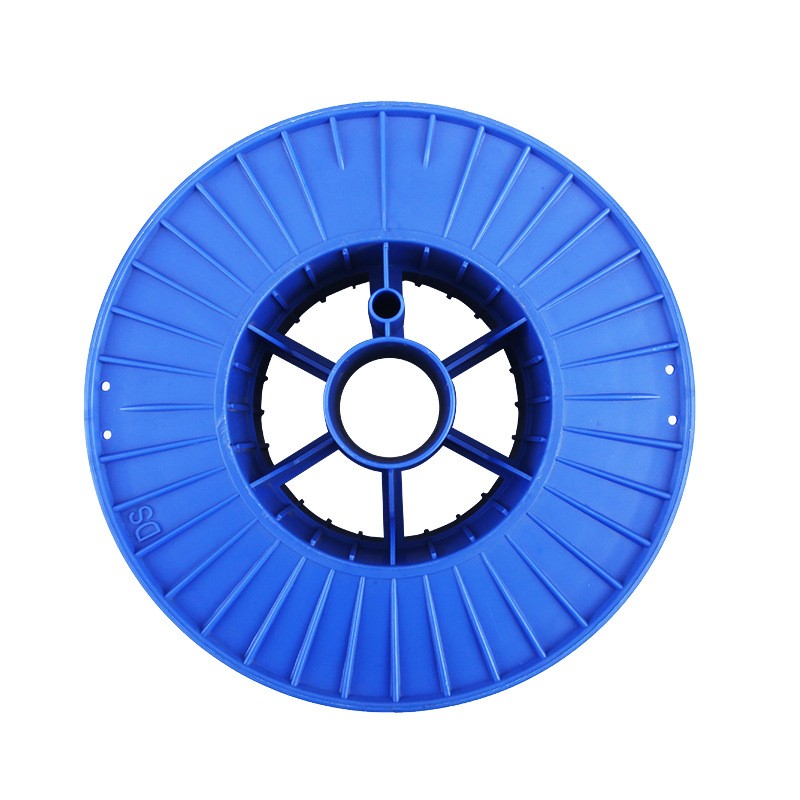
3. Environmental Benefits
Welding wires, particularly those that are copper-coated or flux-cored, can offer environmental benefits by minimizing slag and spatter production. This reduces cleanup time and waste, contributing to a more sustainable welding process.