

1. Material Quality
The first consideration in assembling an ONEREEL wooden reel is the quality of the materials. ONEREEL uses high-grade wood, typically hardwood or plywood, known for its strength and durability. However, ensuring the materials are free from cracks, splits, or warping is essential before starting the assembly process.
High-quality wood is essential for handling the weight of cables or wires wound around the reel, preventing breakage or malfunction during use. Additionally, it helps the reel maintain its shape over time, even with frequent handling.
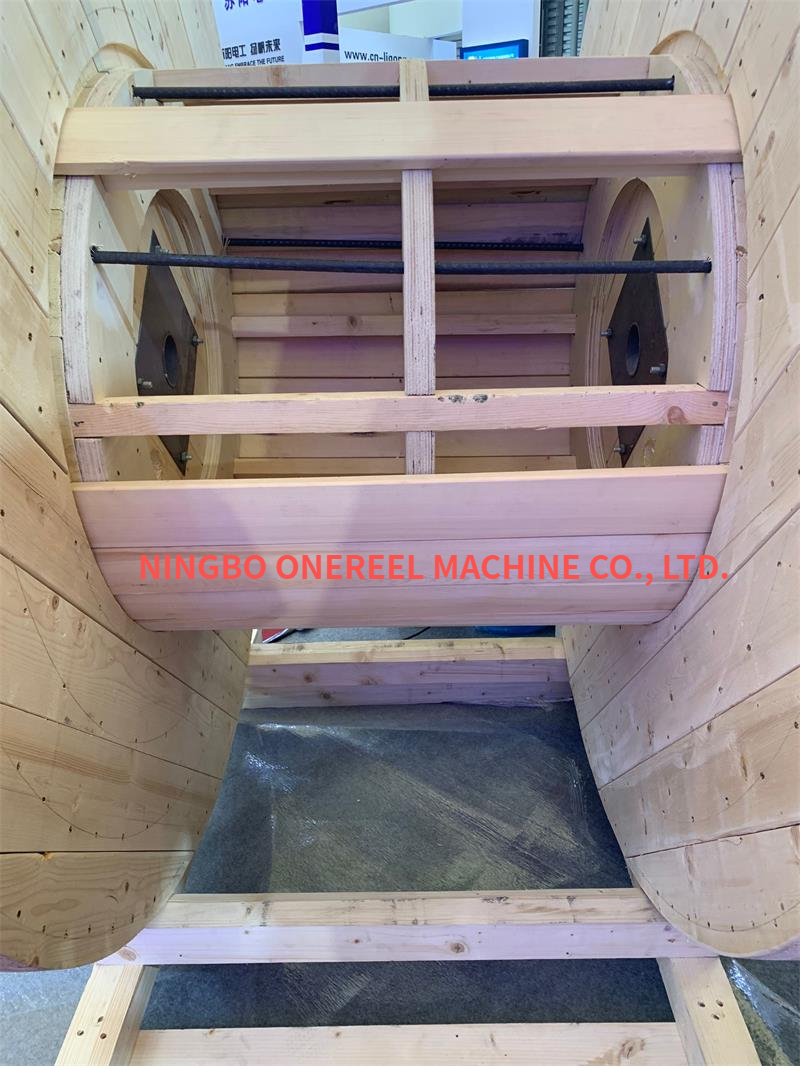
2. Component Compatibility
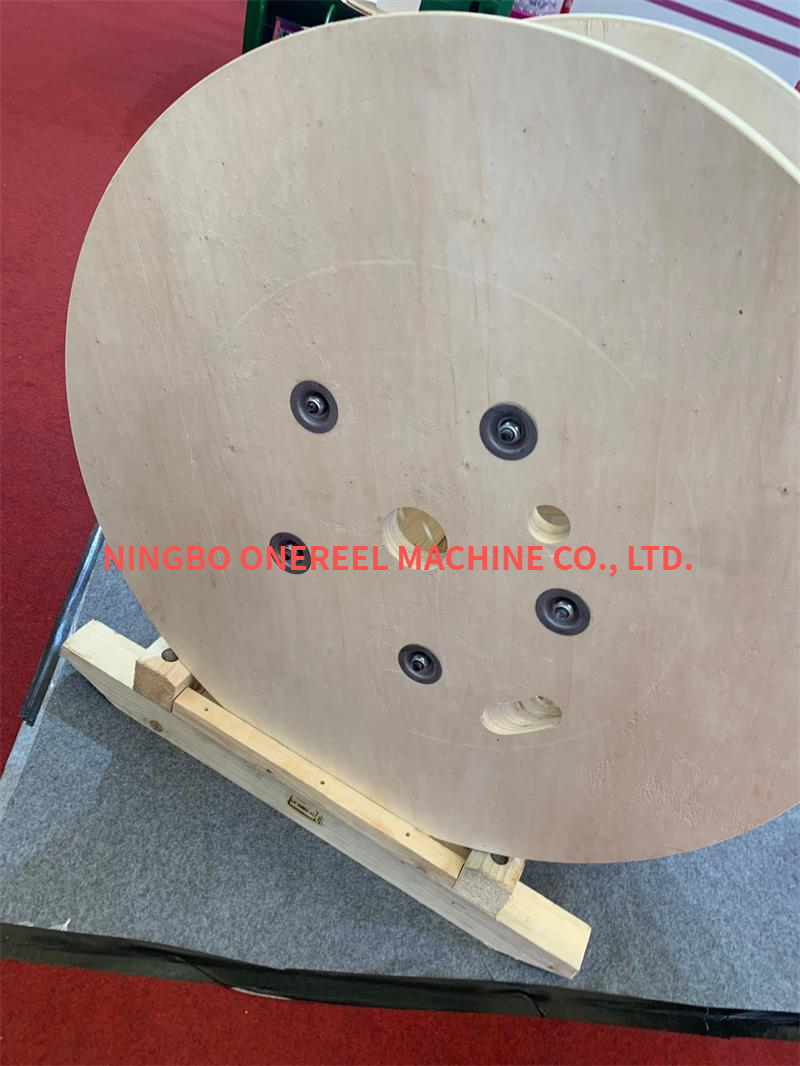
During assembly, ensuring that all components fit together properly is vital. The core (drum) must be appropriately sized for the flanges, and the fasteners must match the pre-drilled holes. ONEREEL designs their reels with precise specifications, but checking for compatibility between parts is always a good practice.
For instance, if the core is too small or too large compared to the flanges, it can cause misalignment or strain, which can weaken the structure of the reel. Properly fitted components guarantee smooth assembly and long-term reel stability.
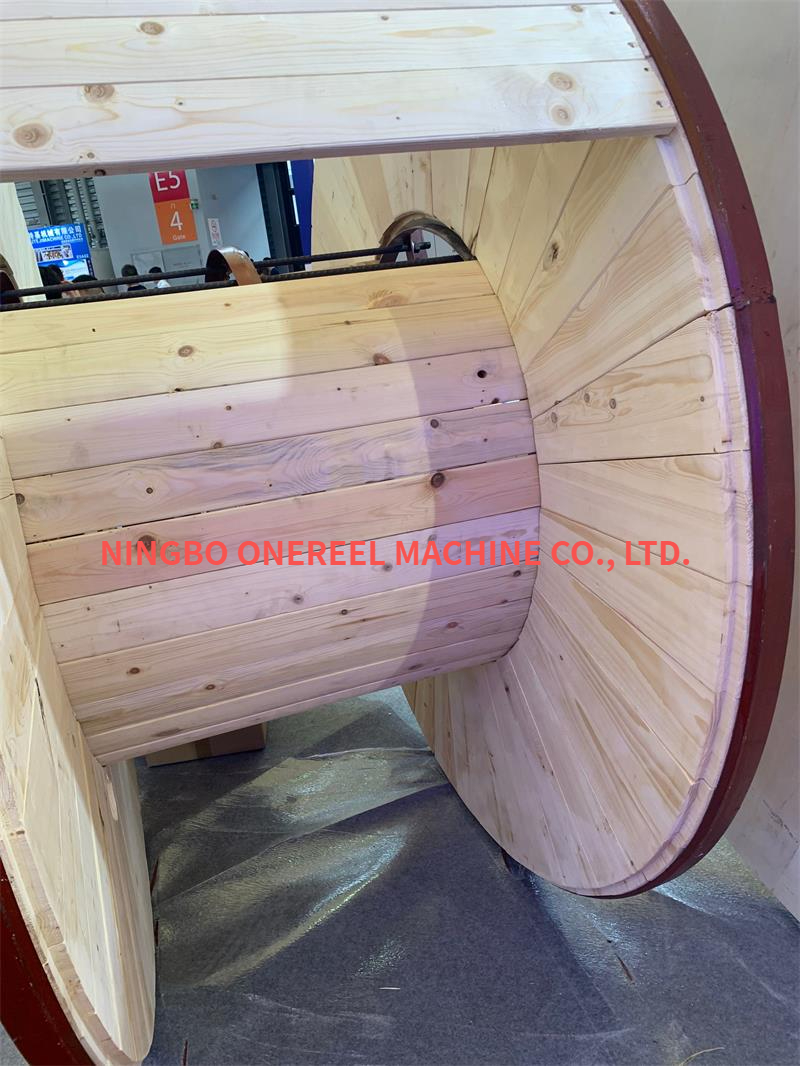
3. Tools and Fasteners
The type of fasteners and tools used during the assembly plays a significant role in the strength of the final product. ONEREEL wooden reels typically use bolts or screws to secure the flanges to the core, but nails can also be used in certain designs. The choice of fasteners depends on the specific reel model and the intended application.
Using the correct size and type of fastener is essential for a secure connection. Bolts and screws should be made of durable, rust-resistant material to withstand outdoor conditions and prolonged use. Ensuring that the fasteners are tightened properly, without over-tightening, is key to avoiding damage to the wood.
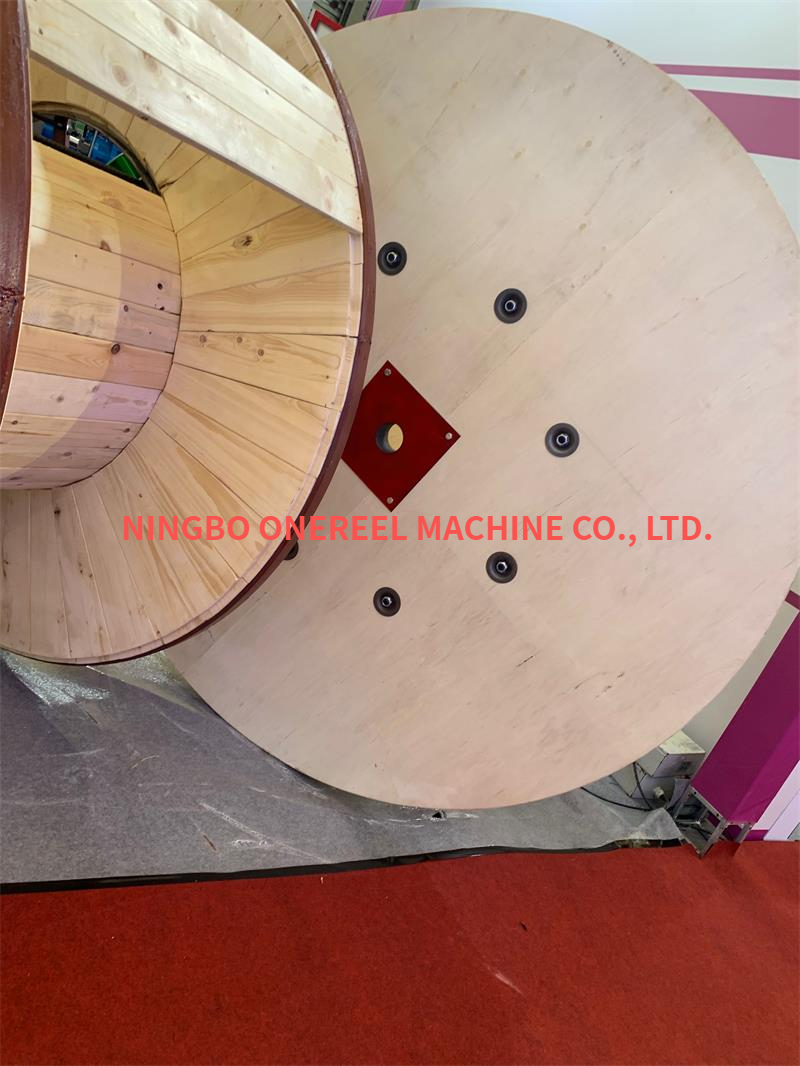
4. Assembly Environment
The environment in which the wooden reel is assembled also matters. Ideally, assembly should take place in a dry, clean area to avoid moisture-related damage to the wood. Exposure to water or extreme humidity during assembly can weaken the reel over time, leading to potential failure during use.
Temperature fluctuations can also affect the wood, causing expansion or contraction, so it is important to work in a controlled environment where possible. Once assembled, the reel should be stored in conditions that maintain the integrity of the materials.
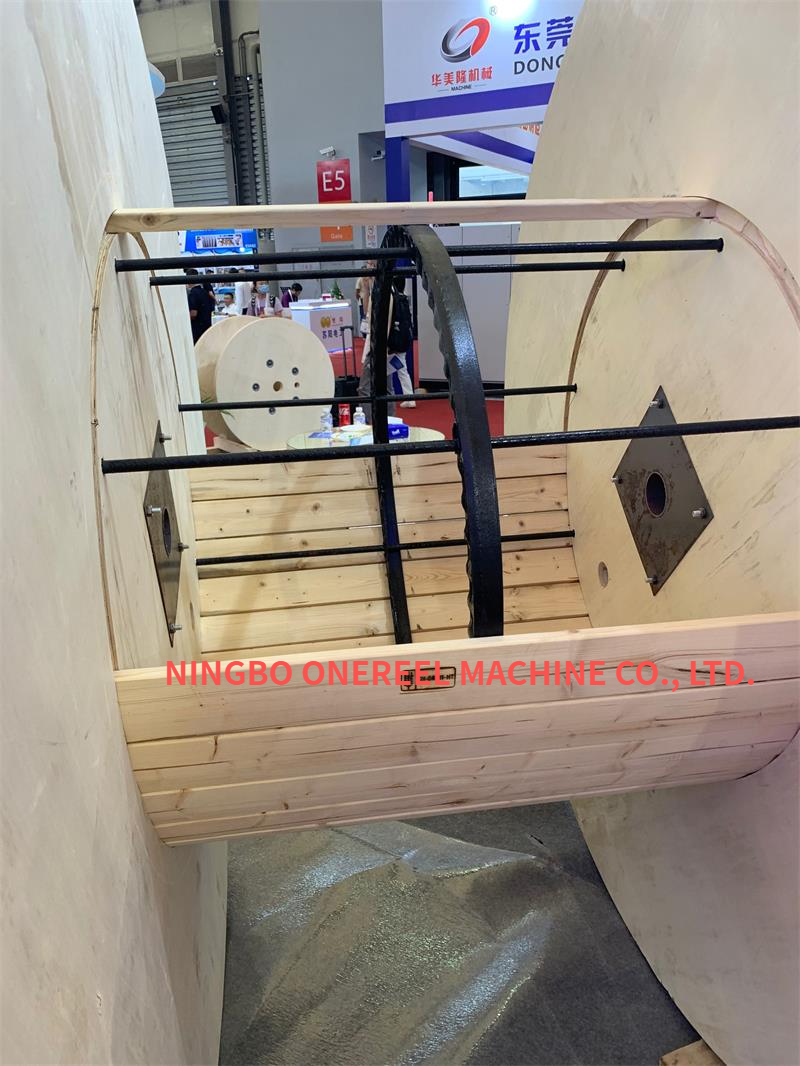
5. Testing and Balancing
Once the ONEREEL wooden reel is assembled, testing and balancing are crucial. The reel should be checked for smooth rotation and even weight distribution. This can be done by spinning the reel and observing its movement. Any wobbling or uneven rotation indicates a problem with the alignment or balance, which should be corrected before use.
Balancing is especially important for reels that will be used in high-speed cable laying or industrial applications, where stability and smooth operation are critical for efficiency and safety.
Conclusion
The assembly of an ONEREEL wooden reel involves careful attention to detail, from material quality to component compatibility and assembly environment. Proper assembly ensures that the reel performs well under the heavy demands of industrial applications, providing a reliable solution for cable and wire management. By considering these factors, operators can optimize the longevity and performance of their wooden reels, ensuring safe and efficient operations across various industries.