

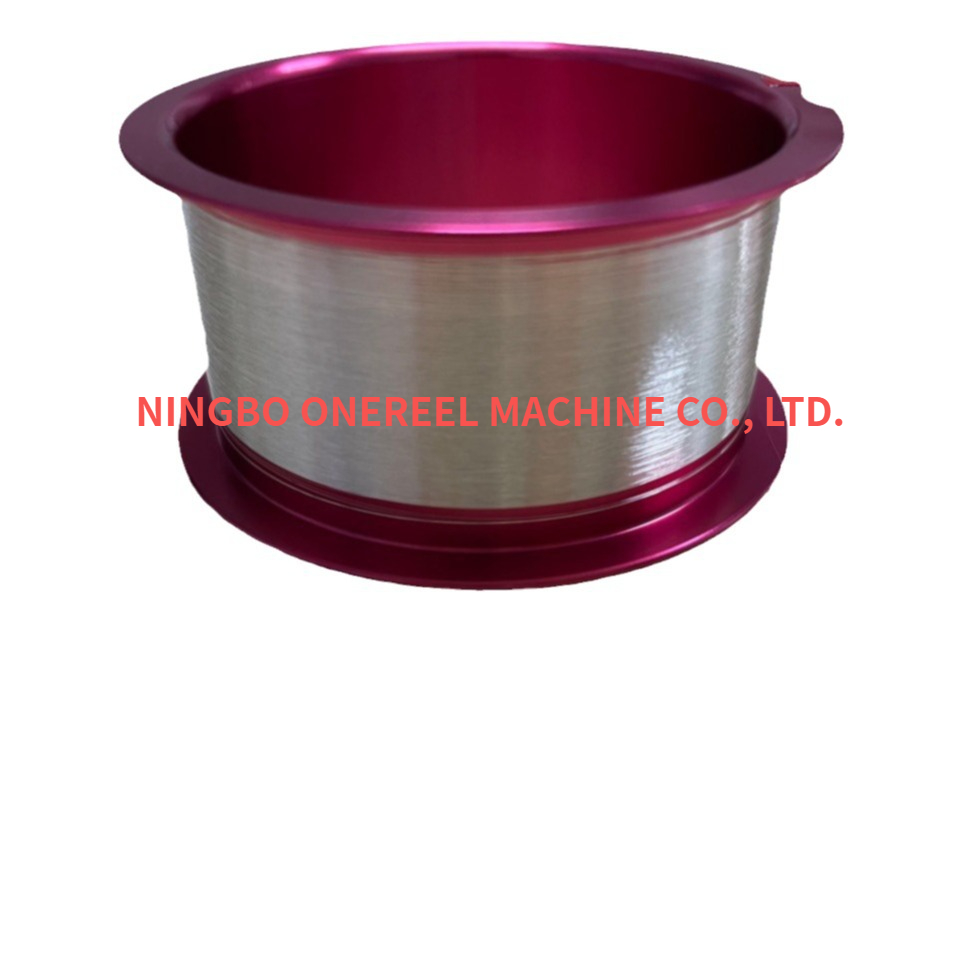
Wire bonding spools are indispensable in industries that rely on high-precision bonding techniques, such as semiconductor manufacturing, aerospace, and medical devices. Their applications and benefits extend far beyond simply housing bonding wires. This article explores the diverse applications and key advantages of wire bonding spools.
Key Applications
1. Semiconductor Manufacturing
In the semiconductor industry, wire bonding spools are used to handle ultra-fine wires, such as gold, silver, and copper, essential for connecting microchips to external circuits. Their role includes:
-
Ensuring smooth and tangle-free wire dispensing.
-
Maintaining consistent tension for precise wire placement.
-
Protecting delicate wires from contamination and damage.
2. Aerospace Industry
The aerospace sector relies on wire bonding spools for assembling high-reliability electronic components. Applications include:
-
Bonding wires in sensors and navigation systems.
-
Ensuring durability in extreme temperature and vibration conditions.
3. Medical Devices
In medical technology, wire bonding spools are used for producing critical components like pacemakers and diagnostic equipment. They facilitate:
-
The use of biocompatible bonding wires.
-
Precision in assembly to meet stringent regulatory standards.
4. Consumer Electronics
Wire bonding spools are central to manufacturing devices like smartphones, tablets, and wearable technology. They ensure high-speed, high-accuracy bonding essential for miniaturized components.

Benefits of Wire Bonding Spools
1. Enhanced Operational Efficiency
Wire bonding spools streamline production processes by enabling smooth wire feeding and reducing machine downtime caused by tangles or wire breakage. Their optimized design ensures uninterrupted operations, even in high-speed environments.
2. Improved Product Quality
By maintaining consistent tension and preventing wire damage, these spools contribute to higher-quality bonds. This is crucial for achieving reliability in applications where failure is not an option, such as aerospace and medical devices.
3. Cost-Effectiveness
Using high-quality spools minimizes wire wastage and equipment wear, reducing operational costs. Their durability ensures long-term use, offering excellent return on investment.
4. Customizable Solutions
Manufacturers can tailor spools to specific needs, ensuring compatibility with unique wire types and equipment. This flexibility is vital for specialized industries like medical technology and defense.
5. Eco-Friendly Designs
Many modern spools are made from recyclable materials and incorporate energy-efficient manufacturing processes. This aligns with global sustainability goals, reducing the environmental impact of industrial operations.

Emerging Trends in Wire Bonding Spools
1. Smart Spools
With advancements in IoT, wire bonding spools now feature embedded sensors for real-time monitoring of wire tension, spool rotation, and remaining wire length. These innovations improve efficiency and reduce downtime.
2. Lightweight Materials
The development of advanced composites has led to lighter yet stronger spools, enhancing machine performance and reducing energy consumption.
3. Anti-Static Technology
Static electricity is a common issue in wire bonding. Modern spools with anti-static coatings or materials mitigate this problem, protecting sensitive electronic components.

Conclusion
Wire bonding spools are far more than simple wire holders; they are precision-engineered components that enhance the efficiency, quality, and sustainability of critical manufacturing processes. As technology advances, these spools will continue to evolve, supporting innovation across industries. Their versatility and benefits make them an indispensable asset in high-tech manufacturing.