

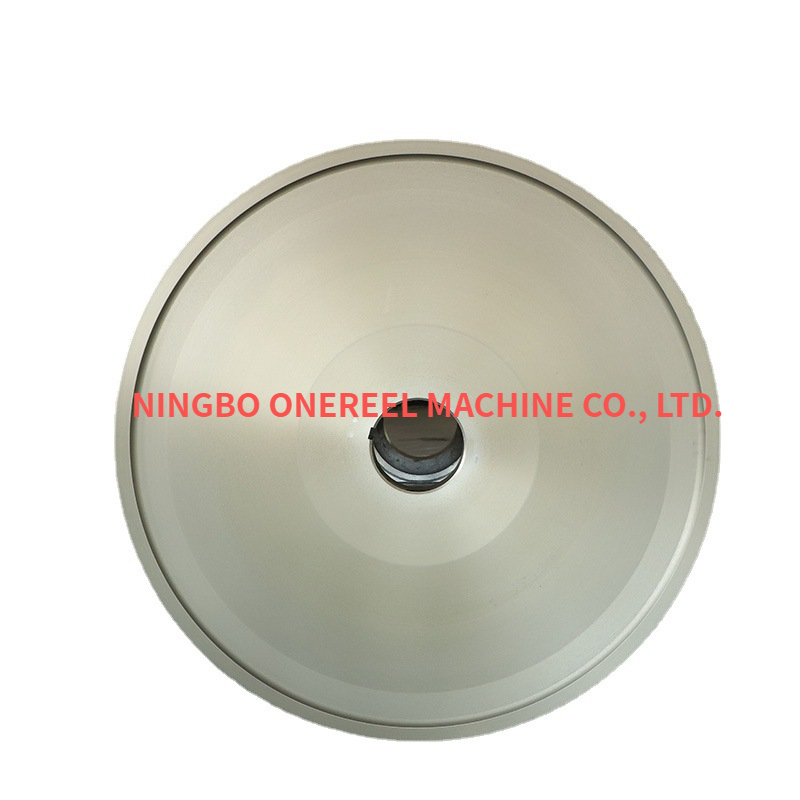
Key Dimensional Features
Karl Mayer beams are designed to accommodate a wide range of textile operations, from warp knitting to weaving. The standard dimensional specifications of these beams include:
-
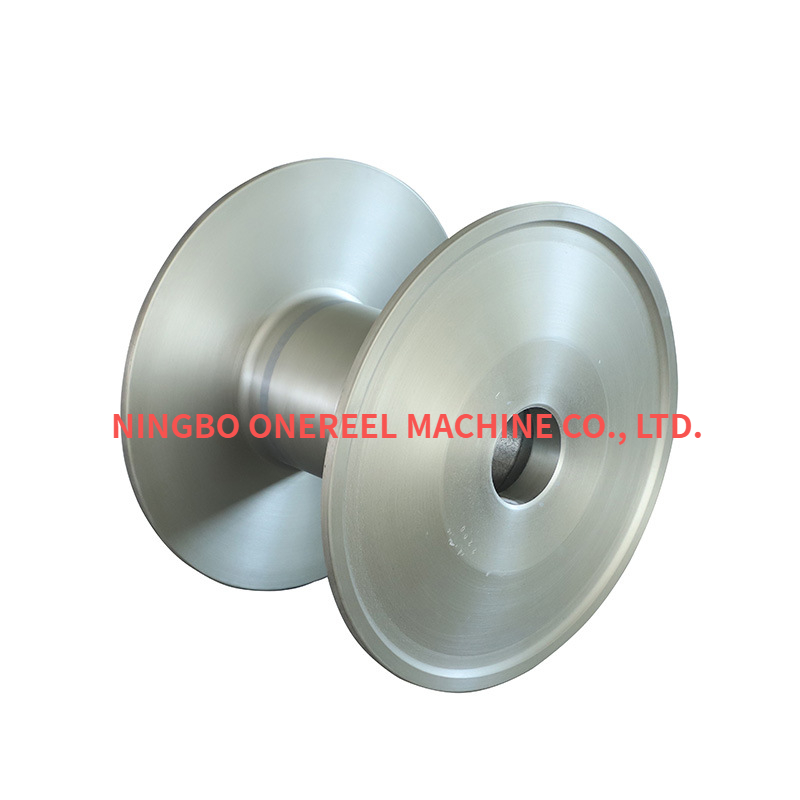
Length: The length of Karl Mayer beams typically falls within the range of 1200mm to 2500mm. The length is an important factor as it determines the amount of material the beam can hold. Longer beams are used in machines that require a large number of yarns or filaments, such as those used in large-scale industrial knitting processes.
-
Width: Beams generally have widths between 500mm and 800mm. The width is critical for distributing tension evenly across the yarns. Wider beams are generally preferred for applications that involve heavy or thick yarns, as they provide better stability and reduce the risk of breakage.
-
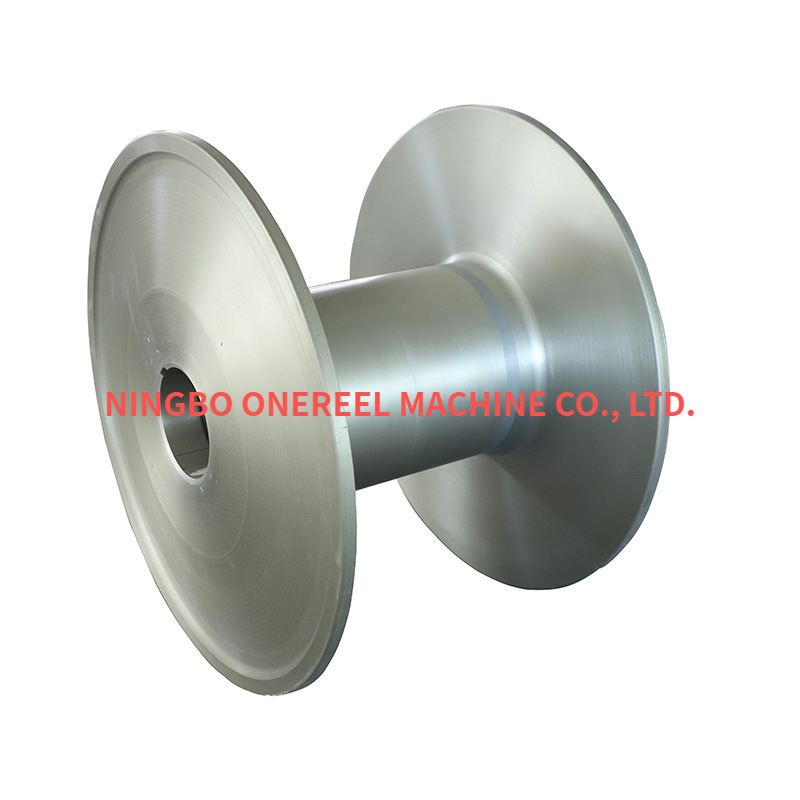
Diameter: The diameter of the beam is another important dimension. Karl Mayer beams often feature diameters from 300mm to 700mm, with the size affecting the number of yarns that can be wound onto the beam. Larger diameters are suitable for larger spool sizes, which are typically required in high-output production lines.
-
Flange Size: The flange size, or the height of the beam’s edges, is typically in the range of 100mm to 200mm. This is an important dimension as it helps secure the yarn on the beam and prevents slippage during the winding process.
Customizing Beam Dimensions for Specific Applications
Karl Mayer is known for its ability to offer customizable solutions based on specific customer needs. While the standard beam dimensions are suitable for most textile applications, customization allows for the perfect fit for any machine or operation. Whether the requirement is for a shorter or longer beam, or one with specific flange height, Karl Mayer can tailor the beam dimensions to ensure optimal performance in any setting.
The Effect of Beam Dimensions on Machine Efficiency
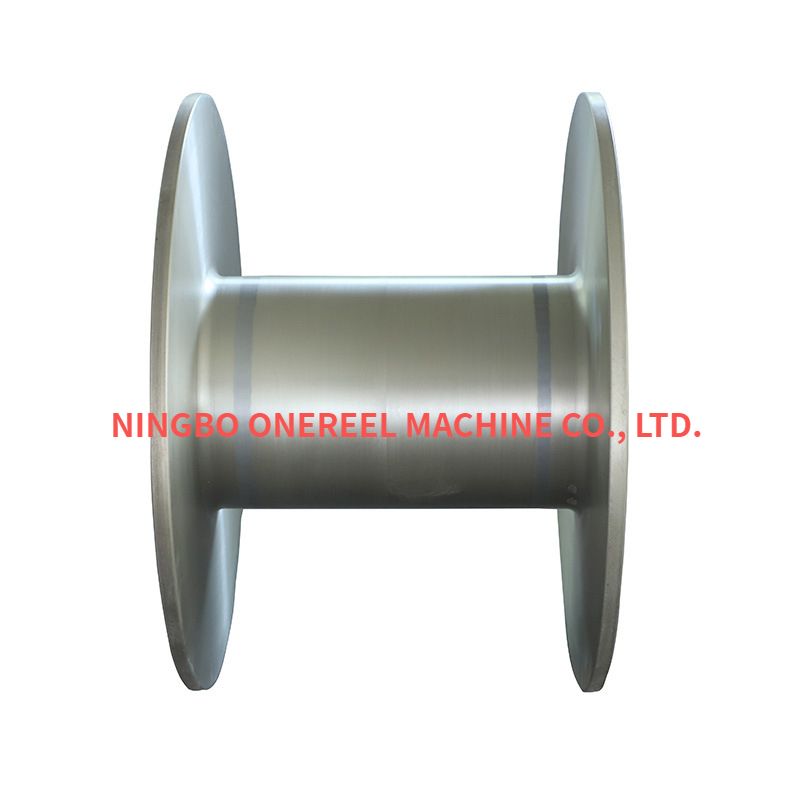
The dimensions of a Karl Mayer beam directly influence the performance of the entire textile machine. Beams with larger dimensions allow for greater yarn capacity, which is ideal for long, continuous production runs. On the other hand, smaller beams are used for precision work or where space constraints are a factor.
In high-speed machines, for example, larger beams with larger diameters help maintain stability and avoid slippage, ensuring smooth and consistent operation even at high speeds. Additionally, the proper beam size ensures that tension is applied evenly across all yarns, which is essential for maintaining the quality of the textile product.
Conclusion
The dimensions of Karl Mayer beams are integral to the successful operation of textile machinery. Whether you're working with standard or custom dimensions, understanding the relationship between beam size and machine performance can help optimize production processes. Karl Mayer’s precision-engineered beams offer a broad range of dimensions to meet the needs of any textile operation, from small-scale to industrial-scale manufacturing.