

Eco-Friendly Materials and Design
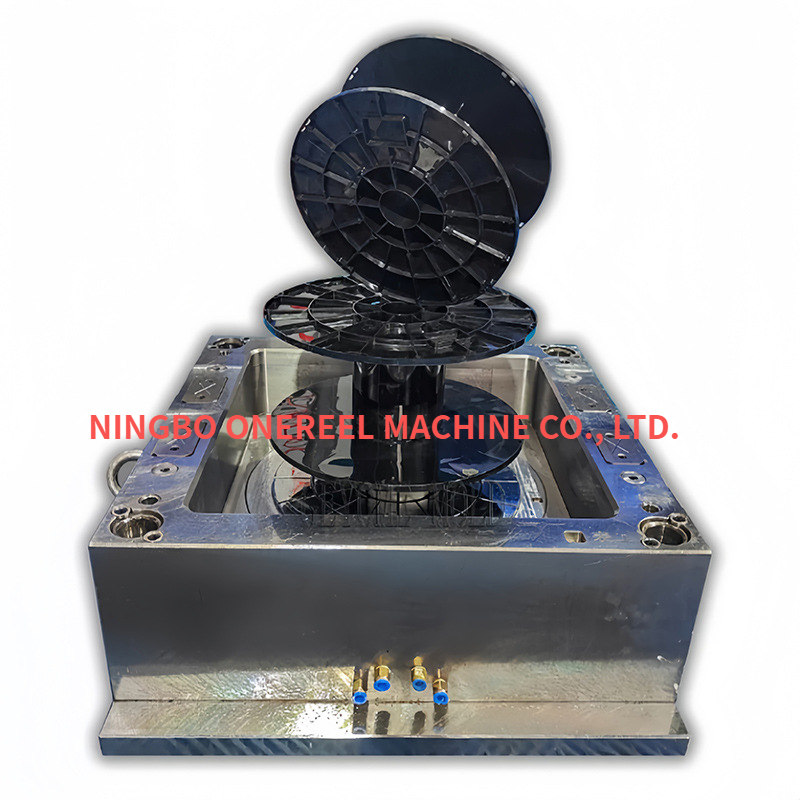
One of the most sustainable features of the ONEREEL Plastic Spool Mold is the ability to use recyclable plastics in the production of the spools. Materials such as polypropylene (PP) and polyethylene (PE) can be easily recycled, making the spools produced in these molds more environmentally friendly. Furthermore, the use of recyclable materials reduces waste and the need for new raw materials, contributing to a circular economy.
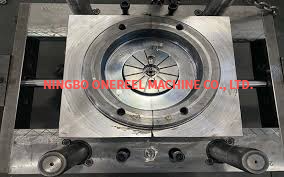
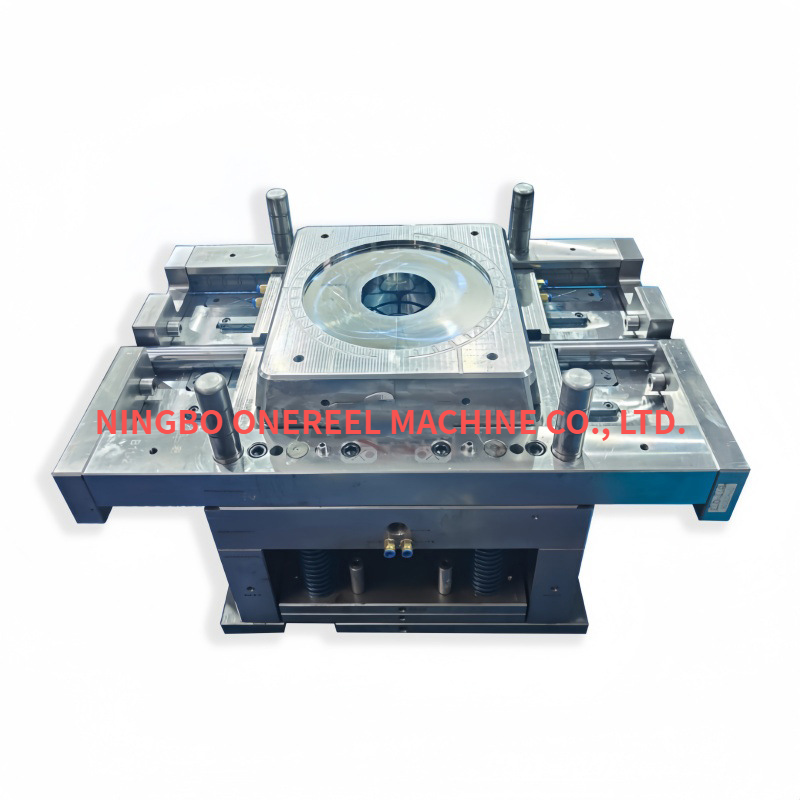
The mold itself is designed for longevity, which also plays a role in sustainability. ONEREEL’s molds are built to withstand thousands of production cycles, which means fewer replacements are needed, and the mold’s overall environmental footprint is reduced. Additionally, the materials used to construct the molds are chosen to be highly durable, ensuring that the molds themselves don’t need to be replaced frequently, minimizing waste in the production process.
Energy Efficiency and Reduced Waste
The ONEREEL Plastic Spool Mold is designed to minimize energy consumption during the production process. Advanced cooling and heating systems allow for faster cycle times and reduce the energy required to maintain optimal molding temperatures. This improved energy efficiency not only reduces the carbon footprint of manufacturing operations but also lowers production costs.
The precision of the mold design also reduces material waste. Thanks to tight tolerances and high-quality molding processes, there is little scrap or defective material generated during production. This reduces waste and increases yield, contributing to a more sustainable manufacturing operation overall.
Recycling and Reuse: A Circular Approach
In addition to using recyclable materials, ONEREEL Plastic Spool Molds are designed to facilitate the recycling of spools after use. By encouraging the reuse of spools and offering an easy path to recycling, ONEREEL helps companies reduce the impact of their production on the environment.
ONEREEL’s commitment to sustainability extends beyond the molds themselves. The company works with clients to promote the reuse and recycling of the plastic spools that are produced, offering advice on how to collect and recycle the materials at the end of their life cycle. This approach aligns with global efforts to reduce plastic waste and promote sustainability within manufacturing industries.
Sustainability in Practice: Industry Impact
The integration of sustainable practices in the production of plastic spools is essential for industries looking to reduce their environmental impact. Companies in sectors like telecommunications, automotive, and textiles, which rely heavily on plastic spools, benefit from the eco-friendly features of ONEREEL’s Plastic Spool Mold.
By choosing ONEREEL molds, these companies not only improve their manufacturing processes but also support global sustainability efforts. The use of recyclable materials, reduced energy consumption, and waste reduction all contribute to a greener future for the manufacturing industry.
Conclusion
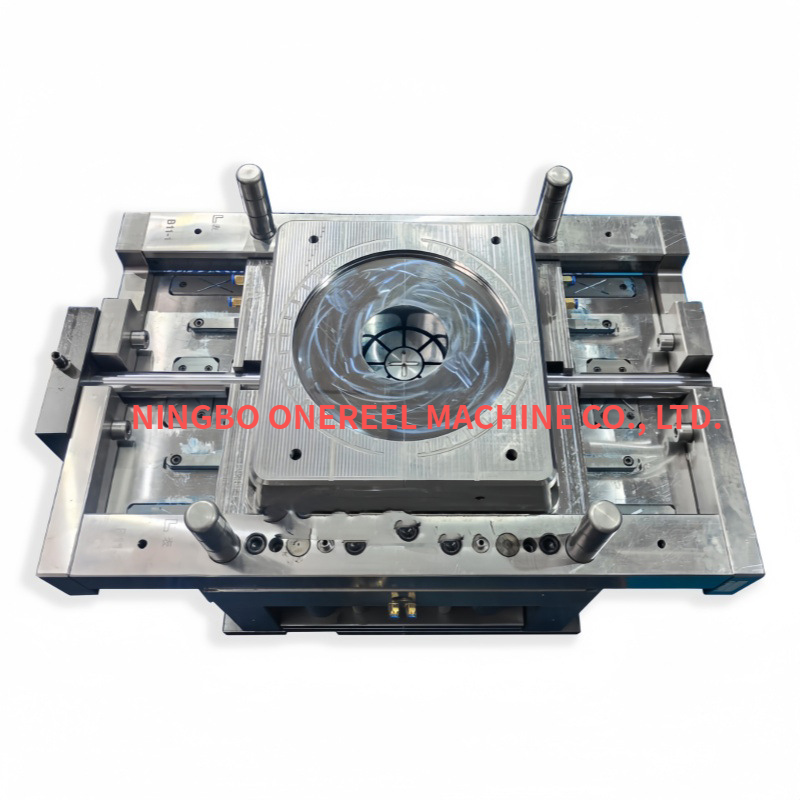
ONEREEL’s Plastic Spool Mold is an exemplary model of how sustainability can be integrated into the manufacturing process. Through its focus on recyclable materials, energy efficiency, and waste reduction, ONEREEL supports a more sustainable approach to spool production. As industries worldwide continue to seek eco-friendly solutions, ONEREEL remains at the forefront of providing sustainable and high-performance molds that meet the growing demand for environmentally conscious manufacturing.