

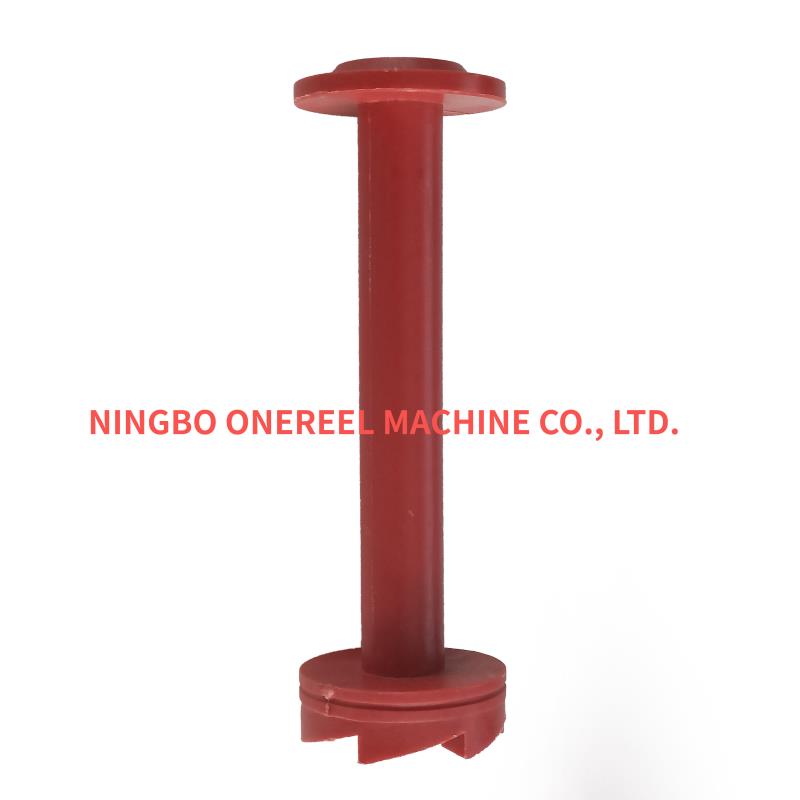
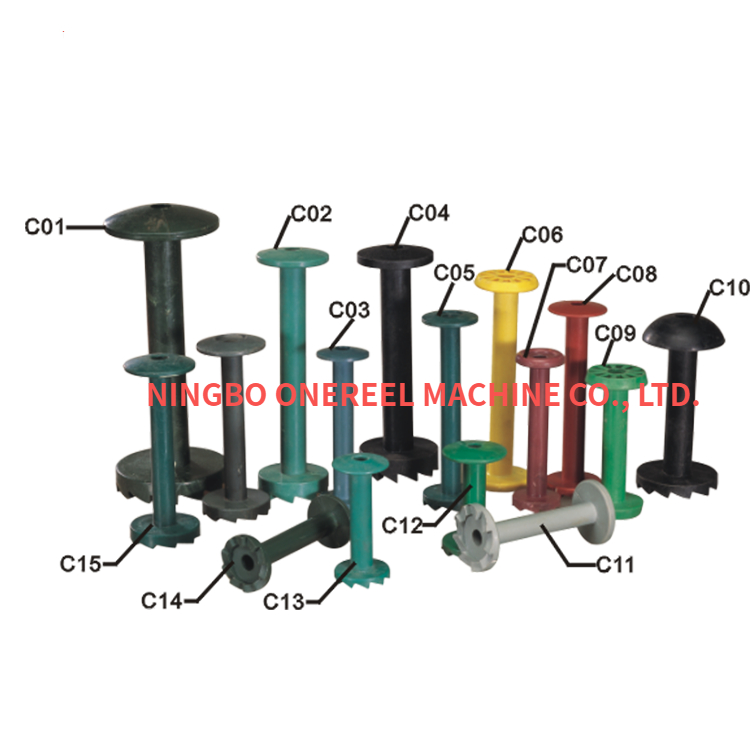
Spindle bobbins come in a variety of shapes and sizes. Some are straight cylinders, while others are tapered cones, designed to handle different yarn thicknesses and machine requirements. The choice of bobbin depends on the type of yarn being produced and the machinery being used. For example, high-speed automatic looms often use bobbins engineered with precision tolerances to reduce vibration and ensure stability.
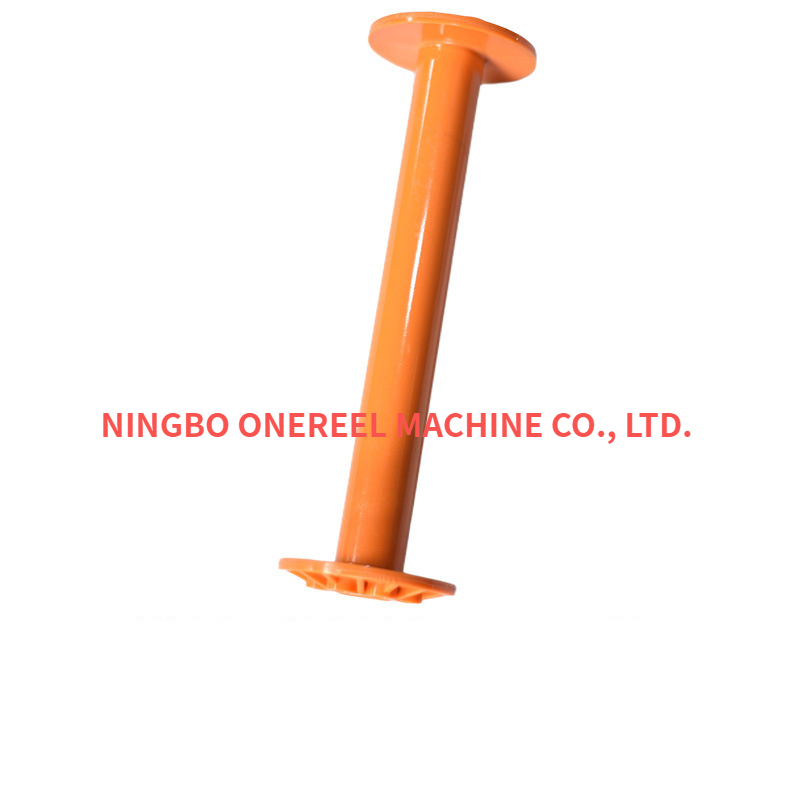
Materials used in spindle bobbin manufacturing have evolved over time. Historically, wooden bobbins were common due to ease of shaping and availability. However, modern industries prefer plastic and metal versions for their strength, lighter weight, and ability to resist wear under heavy use. Plastic bobbins are especially popular because they can be molded with exact specifications and reused many times.
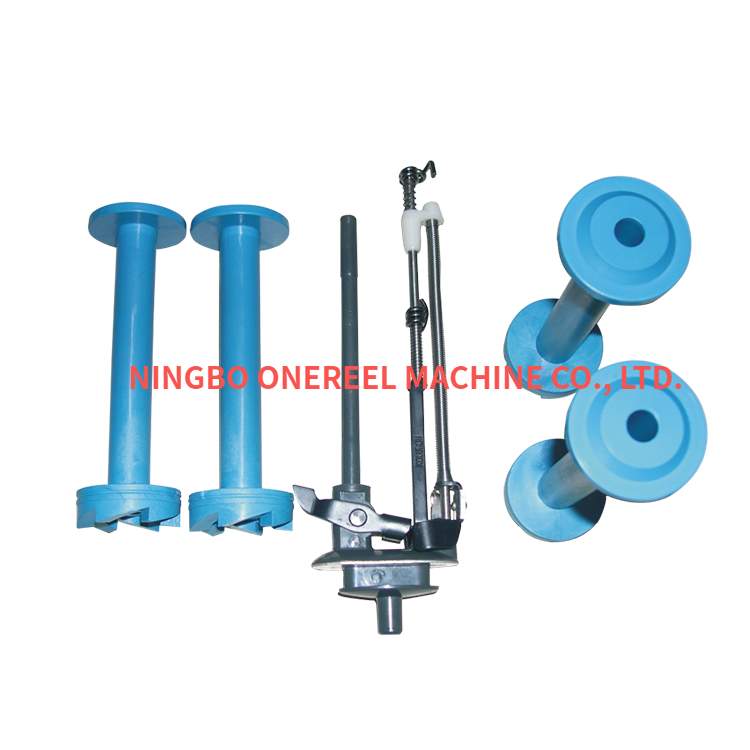
The role of the spindle bobbin is more than just storage. It directly influences yarn tension, delivery speed, and even the final quality of woven or knitted fabric. If a spindle bobbin is improperly designed, it can cause thread snarls, breakages, or inconsistent output. Therefore, textile engineers invest significant effort into designing bobbins that optimize machine performance.
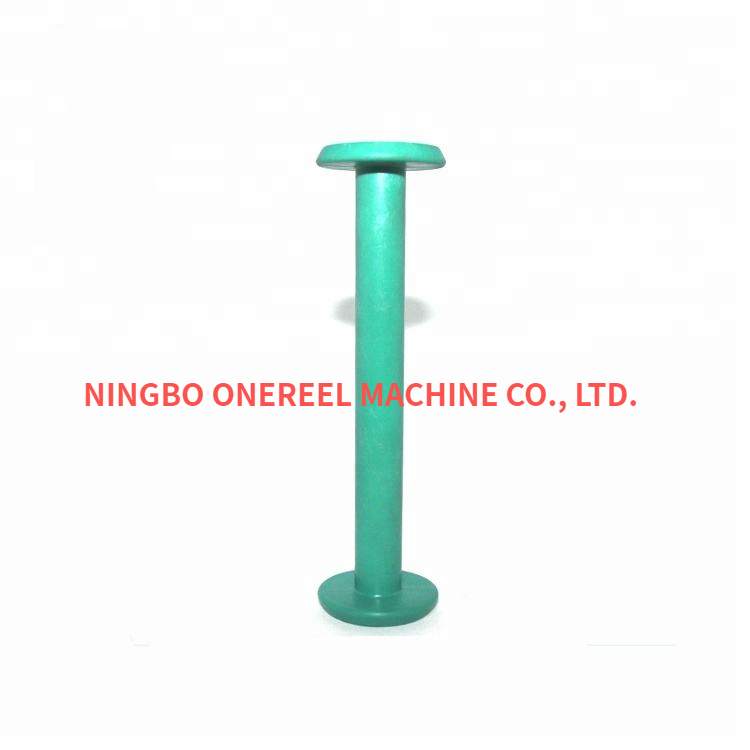
Outside textiles, spindle bobbins are widely used in the cable, rope, and wire industries. These bobbins provide a controlled way to wind delicate materials while preventing tangling or kinking. In all cases, the spindle bobbin acts as a reliable carrier that makes large-scale industrial processes more efficient.
Ultimately, a spindle bobbin is a small but powerful part of industrial machinery. By enabling smooth and uninterrupted thread flow, it supports the precision and productivity of textile manufacturing and beyond. It is a reminder that even the simplest components can have a significant impact on global industries.