

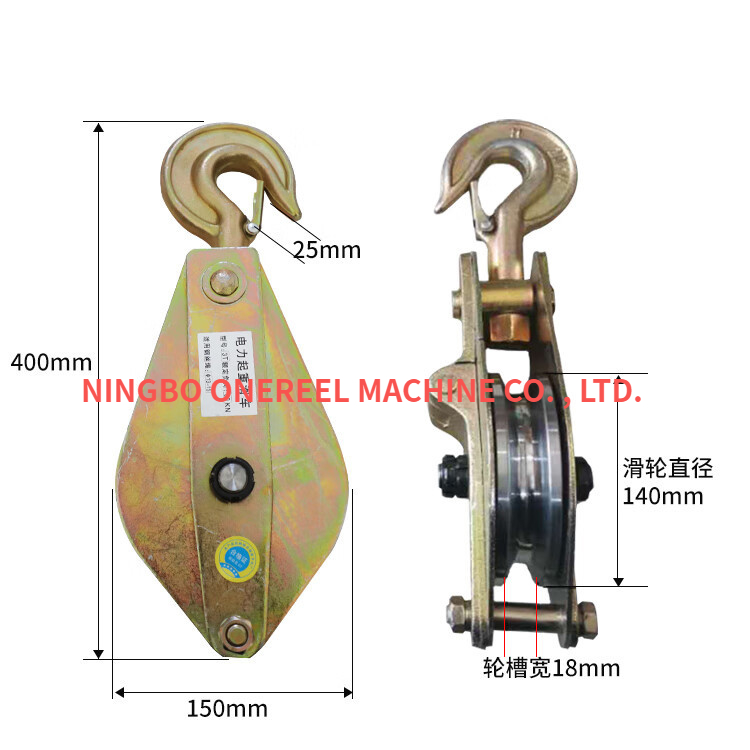
Tip 1: Select the Right Pulley for the Job
Always choose a pulley rated for the load you intend to handle. For example, lighter-duty pulleys may work well for small rope or household use, while industrial-grade pulleys are designed for heavy-duty cables in construction and power line work.
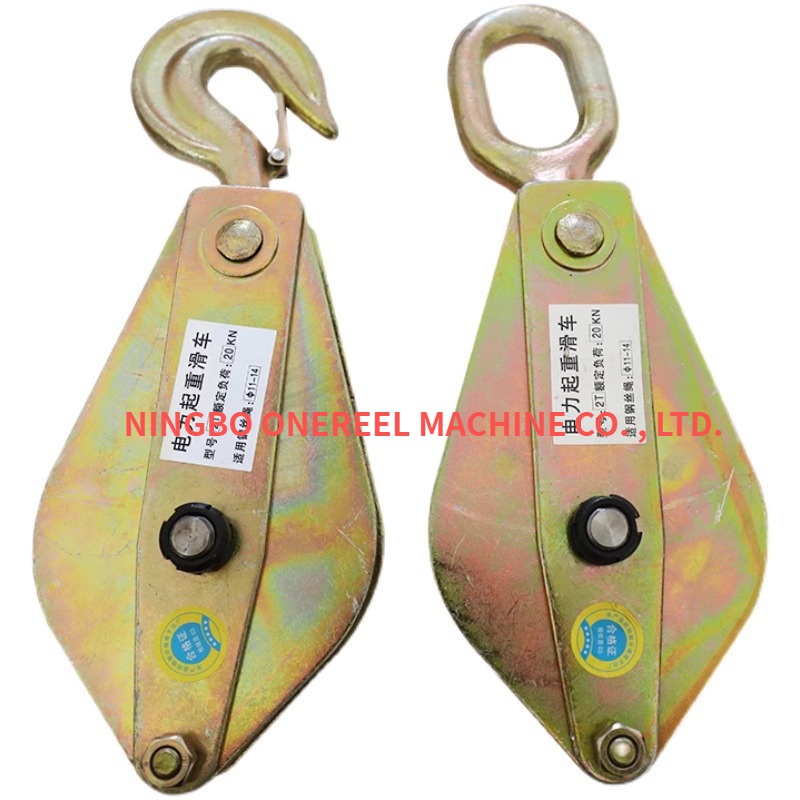
Tip 2: Ensure Proper Installation
The hook of the pulley should be attached to a secure structure, such as a pole, ceiling beam, or metal frame. Verify the anchor’s stability before applying force. A weak support point can lead to accidents or equipment damage.
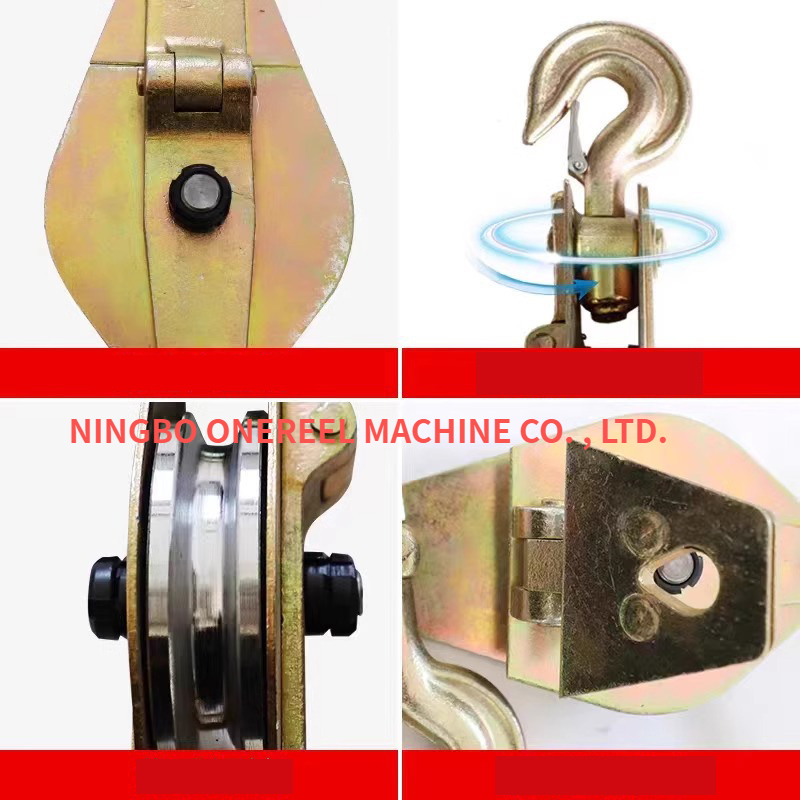
Tip 3: Position the Cable Correctly
When threading the cable, make sure it fits neatly into the wheel’s groove. Avoid crossing or twisting the cable, as this can cause uneven wear and increase the risk of slipping. Proper positioning ensures smoother operation.
Tip 4: Use Steady and Controlled Movements
Do not yank or pull suddenly. Instead, apply consistent pressure to move the cable smoothly through the pulley. This not only protects the equipment but also reduces the chance of injury.
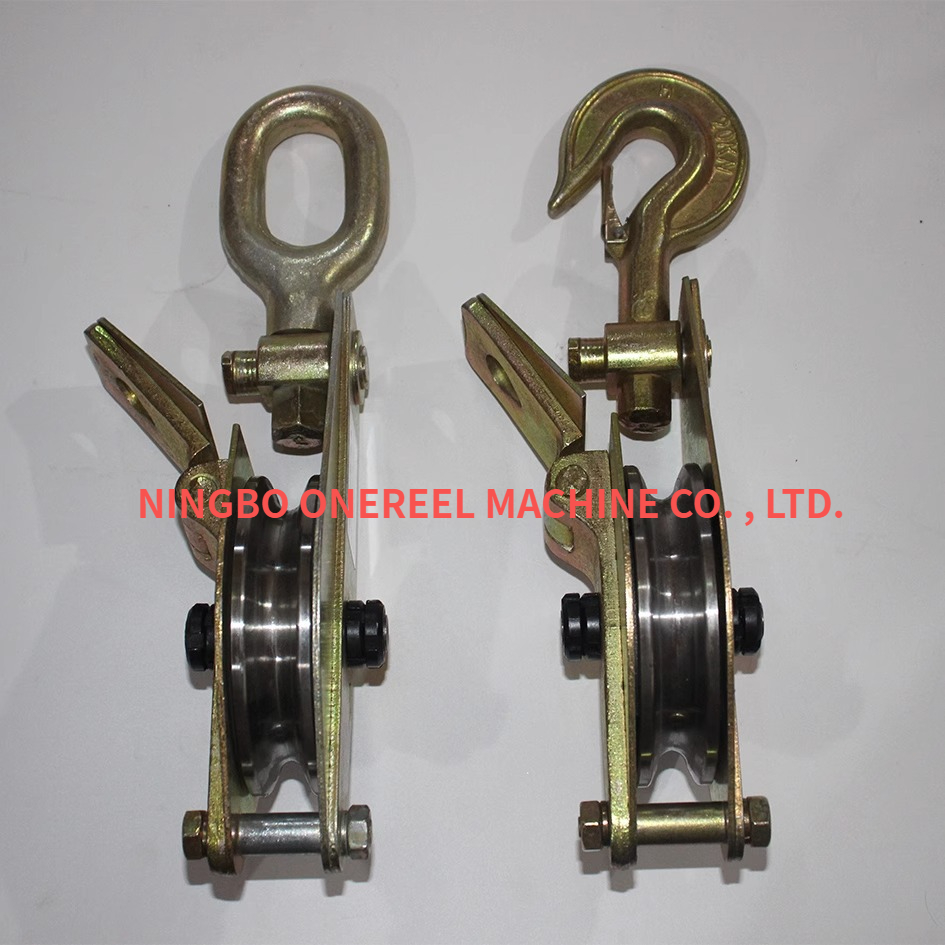
Tip 5: Maintain Safety Precautions
Wear gloves to protect your hands from friction burns. Keep a safe distance from the pulley in case the cable snaps under pressure. Always stay aware of your surroundings when handling heavy loads.
Tip 6: Maintain the Pulley
Regular maintenance is important for long-term performance. After use, clean the pulley, lubricate the wheel if necessary, and store it in a dry place to avoid corrosion.
Common Uses
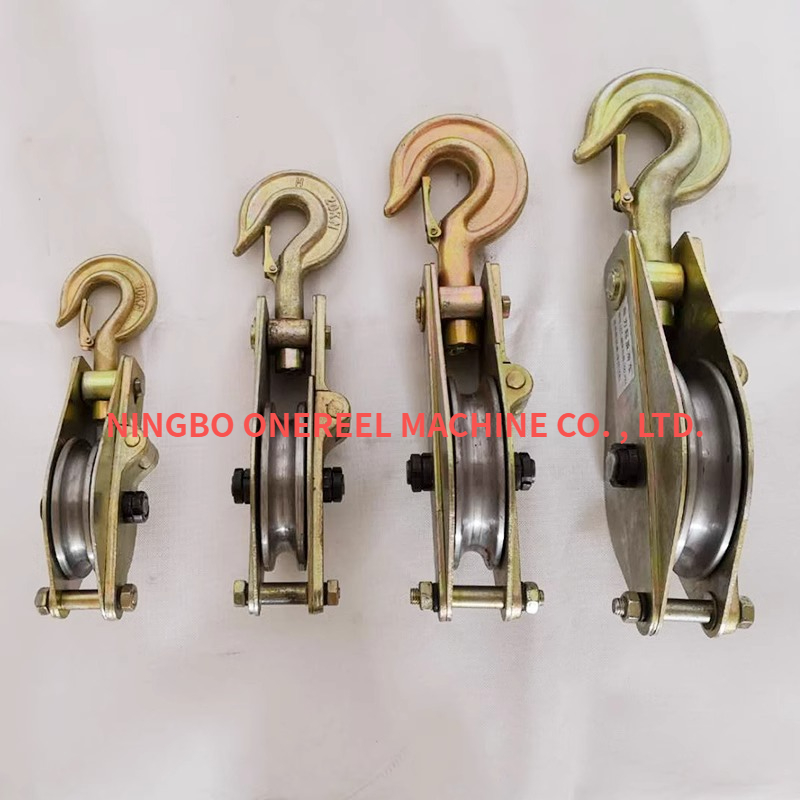
Cable hook pulleys are used in many fields: guiding wires during electrical installations, hoisting equipment on construction sites, pulling ropes in theater stage settings, or even for marine applications. Their versatility makes them a must-have tool for many industries.
By following these guidelines, you can safely and effectively use a cable hook pulley, making your work smoother, safer, and more efficient.