

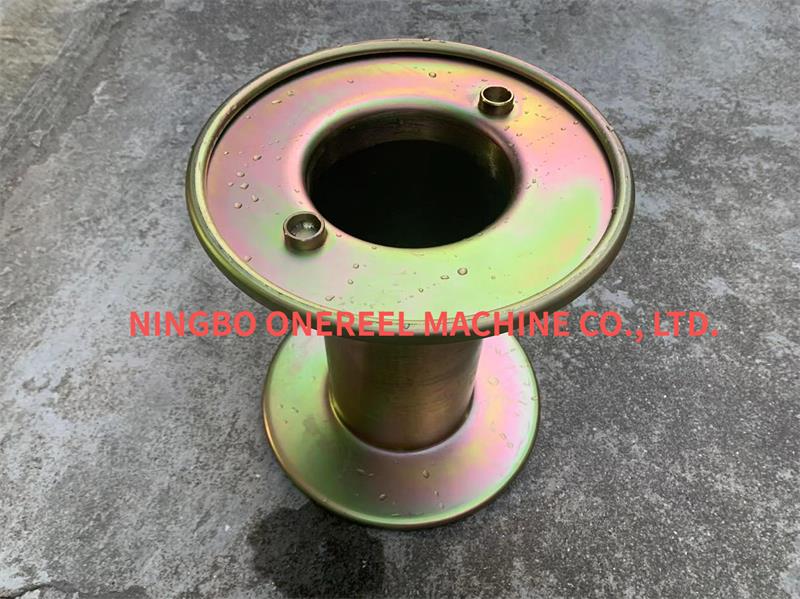
The structure of a high-quality sawing wire spool includes robust flanges, a balanced barrel, and accurate machining to maintain excellent concentricity. These features ensure that the wire is evenly layered and that the spool rotates smoothly without wobble. Materials such as ABS, nylon, composite plastics, aluminum alloy, or hybrid reinforced polymers offer durability and resistance to deformation. This is particularly important during long cutting cycles where the wire must maintain steady tension to prevent surface defects or breakage.
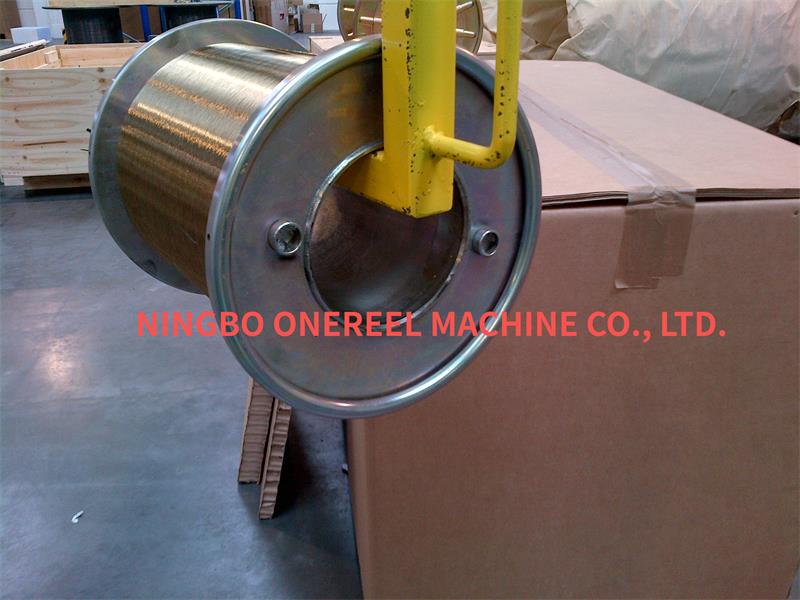
A dependable spool significantly reduces the risk of operational interruptions. When the wire is kept neatly wound and tensioned, the cutting system experiences fewer tangles, fewer wire snaps, and more consistent feed motion. This translates into higher throughput and reduced downtime—key benefits in industries where continuous operation is essential. Manufacturers often report improved yield rates and lower operating costs when switching to high-precision spools designed specifically for sawing wire.
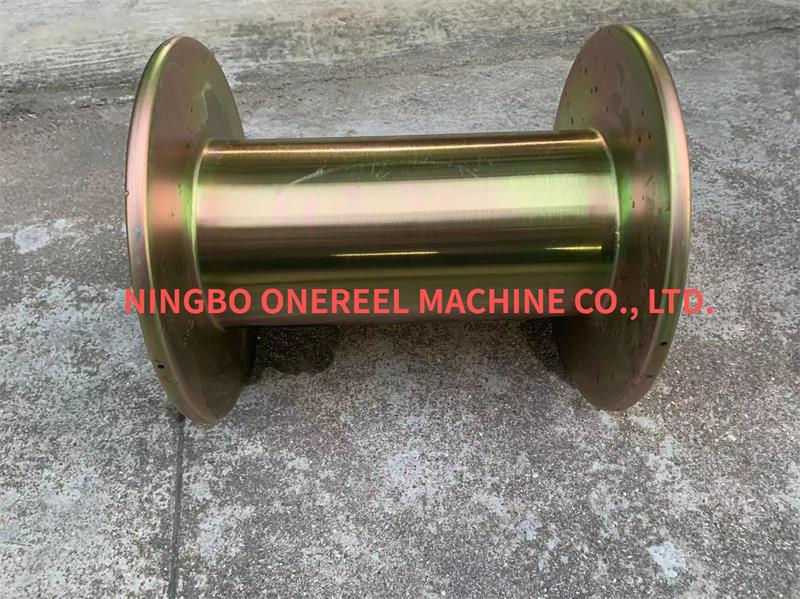
Customization options further enhance the value of modern sawing wire spools. They can be produced in various diameters, flange heights, and core sizes to match different sawing machines and wire types. Some models incorporate reinforced ribs, heat-resistant materials, or anti-static properties to support specific working environments. A precisely manufactured spool also protects delicate diamond wire coatings, reducing micro-damage that might otherwise affect cutting accuracy.
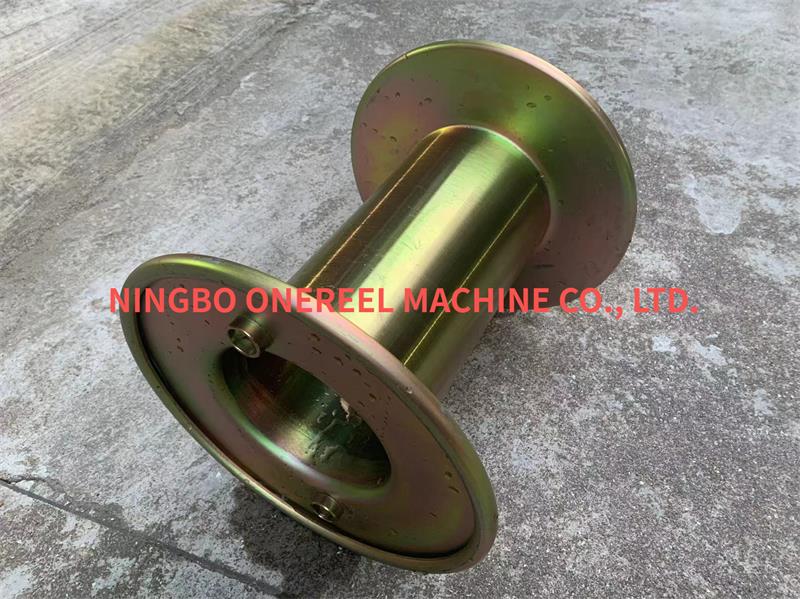
As manufacturing processes continue evolving toward higher precision and higher productivity, reliable sawing wire spools become increasingly important. They ensure stable wire supply, improve equipment longevity, and support the stringent requirements of advanced materials processing. Investing in well-engineered spools is essential for companies seeking consistent performance, cost reduction, and superior cutting results in modern industrial applications.