

What Are Fly Tying Bobbin Spools?
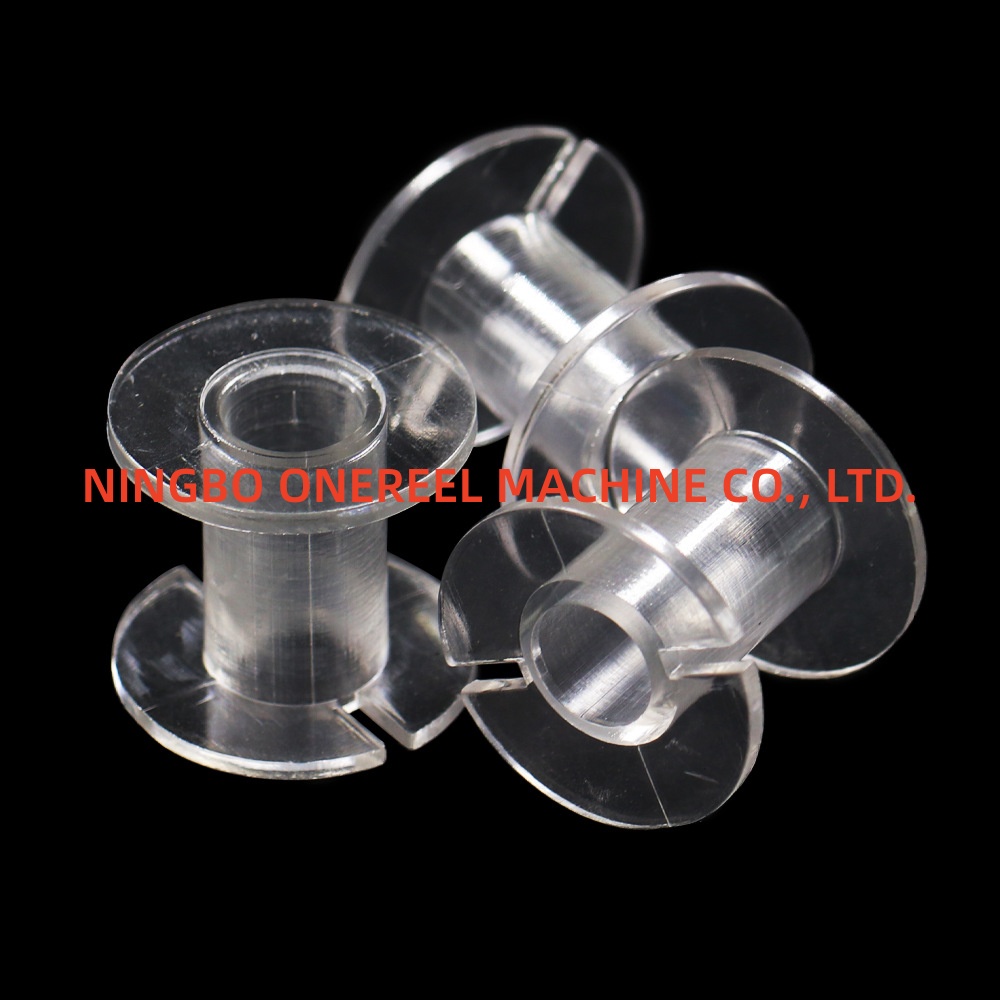
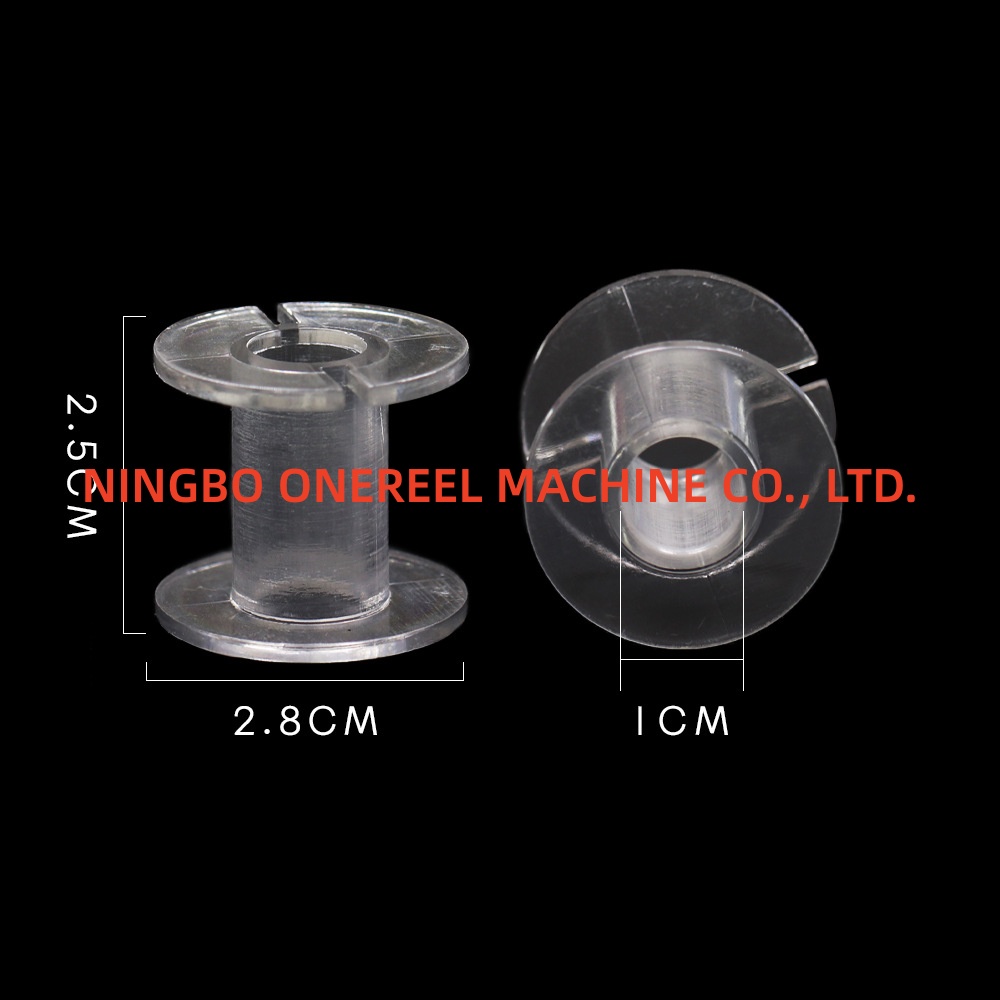
Fly tying bobbin spools are specially designed thread spools used in conjunction with a bobbin holder. The bobbin holder maintains steady thread tension while allowing the tier to wrap thread neatly around a hook shank. The spool, positioned inside the bobbin arms, feeds thread smoothly as the fly is constructed.
Unlike standard sewing spools, fly tying spools are engineered for fine threads, including nylon, polyester, silk, gel-spun polyethylene (GSP), and specialty materials used in modern fly tying. Their dimensions are optimized to fit most standard bobbin holders, ensuring compatibility across various brands and setups.
Importance of Quality in Fly Tying
In fly tying, precision is everything. Thread must lay flat, build smooth bodies, and secure materials without bulk. A poorly manufactured spool can create uneven tension, thread fraying, or sudden breaks — all of which compromise fly durability.
High-quality fly tying bobbin spools offer:
-
Smooth rotation for consistent tension
-
Even thread winding to prevent tangles
-
Durable construction to withstand repeated use
-
Compatibility with most bobbin holders
For professional tiers producing flies in volume, reliability is especially important. Even minor interruptions can slow production and reduce efficiency.
Materials Used in Bobbin Spools
Most fly tying bobbin spools are manufactured from lightweight yet durable materials such as:
Plastic (ABS or Polycarbonate)
Plastic spools are lightweight, cost-effective, and corrosion-resistant. They are widely used in commercial thread packaging and suitable for both freshwater and saltwater applications.
Aluminum or Metal Core Spools
Some premium threads are wound on metal-core spools to provide extra durability and smoother rotation. These are often preferred by advanced tiers who demand superior control.
Eco-Friendly Options
With growing environmental awareness, some manufacturers now offer recyclable or biodegradable spool materials, helping reduce plastic waste in the fly tying industry.
Thread Types Used on Fly Tying Spools
Fly tying threads come in various thicknesses and strengths, commonly measured in denier or aught (e.g., 6/0, 8/0, 12/0). Thinner threads are ideal for small dry flies, while stronger threads are better suited for streamers and saltwater patterns.
Common thread materials include:
-
Nylon – versatile and easy to handle
-
Polyester – strong and colorfast
-
Silk – traditional and smooth
-
GSP – extremely strong and thin
Proper spool design ensures that these threads unwind smoothly without twisting excessively or creating unwanted tension spikes.
Design Considerations
A well-designed fly tying bobbin spool should meet several key requirements:
Balanced Weight Distribution
Evenly wound thread ensures consistent rotation without wobbling inside the bobbin holder.
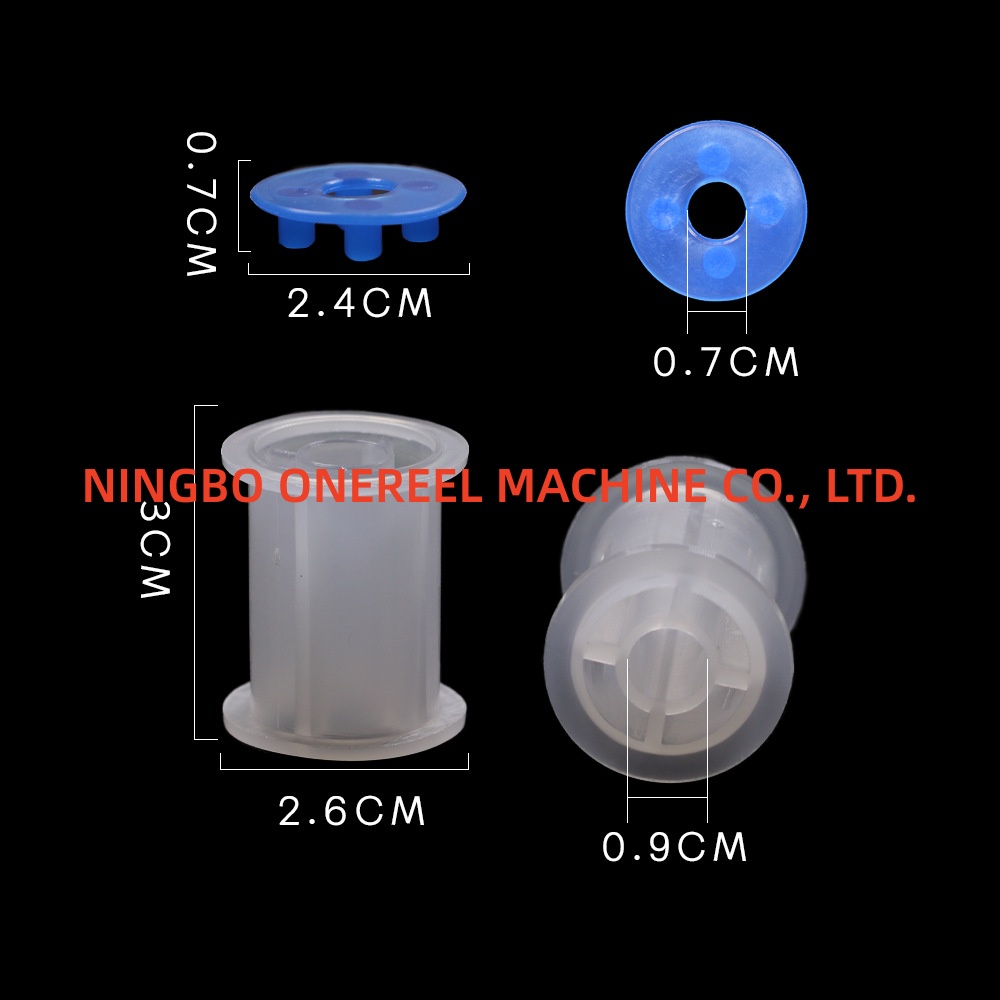
Precise Core Diameter
The center hole must fit standard bobbin arms securely, allowing smooth spin without excessive friction.
Smooth Flanges
The spool edges must be free of burrs or rough surfaces that could damage fine thread.
Consistent Thread Tension During Winding
Professional manufacturing ensures that thread is evenly layered across the spool to avoid bunching or slipping.
Applications in Fly Patterns
Fly tying bobbin spools are used in the construction of countless fly types, including:
-
Dry flies
-
Nymphs
-
Streamers
-
Saltwater flies
-
Terrestrials
For example, delicate dry flies tied for trout fishing in regions like those featured in The Complete Book of Fly Fishing require ultra-fine thread and precise control. Meanwhile, heavy-duty streamers inspired by techniques popularized by anglers such as Lefty Kreh demand stronger thread and flawless spool performance.
Regardless of the pattern, thread control remains foundational.
Benefits of High-Quality Bobbin Spools
Investing in reliable fly tying bobbin spools offers multiple advantages:
-
Improved Fly Durability – Consistent wraps secure materials firmly.
-
Professional Appearance – Smooth thread bodies enhance realism.
-
Reduced Waste – Fewer thread breaks mean less material loss.
-
Greater Efficiency – Smooth feeding accelerates tying speed.
-
Enhanced Control – Stable tension allows precise material placement.
For commercial fly tying operations, these benefits translate directly into productivity and customer satisfaction.
Customization Options
Modern manufacturing techniques, including precision injection molding, allow customization of bobbin spools in terms of:
-
Diameter and width
-
Core size
-
Color
-
Branding and labeling
-
Thread length capacity
Private-label thread suppliers often require custom spool designs to differentiate their products in competitive markets.
Maintenance and Storage Tips
Although bobbin spools are simple components, proper care extends their lifespan:
-
Store thread away from direct sunlight to prevent color fading.
-
Keep spools dry to avoid moisture damage.
-
Avoid dropping spools, as flange damage can cause thread snags.
-
Replace damaged spools promptly to maintain tying efficiency.
Professional tiers often organize their spools by size and color to streamline workflow at the tying bench.
The Role of Innovation in Fly Tying Tools
Fly tying continues to evolve with new synthetic materials and advanced manufacturing processes. As tools improve, so does the quality and durability of flies produced worldwide. From traditional trout patterns to modern saltwater designs, reliable bobbin spools remain a small yet essential component in the larger ecosystem of fly fishing equipment.
In competitive fly fishing circuits and educational programs supported by organizations such as Fly Fishers International, proper tools and materials are emphasized as foundational skills for tiers at all levels.
Conclusion
Though often overlooked, fly tying bobbin spools are fundamental to the success of any fly tying setup. Their design directly influences thread control, tension consistency, and overall tying efficiency. Whether you are a beginner learning basic wraps or a professional producing hundreds of flies per week, investing in high-quality spools ensures smoother performance and better results.
In fly tying, excellence is built thread by thread — and it all begins with the right spool.